
When the walls close in around you, the only escape is the strength to hope again.
From the moment the first sombre piano chord cuts through the air, CLOSE EVERY DOOR emerges not merely as a song, but as a profound emotional turning point within the musical narrative of Joseph and the Amazing Technicolor Dreamcoat. Written by composers Andrew Lloyd Webber and lyricist Tim Rice, the piece finds its voice through the interpretation of legendary performer Donny Osmond, who sings the role of Joseph in the 1999 film adaptation of the musical, and whose recording is featured in the 1992 Canadian cast album. While this particular version did not chart as a standalone major pop single, the song itself remains one of the most resonant and frequently performed numbers from the show.
In that opening moment, one hears not only Joseph’s anguish—betrayed by his brothers, enslaved, imprisoned wrongfully—but also the larger cry of the dispossessed. Rice’s lyrics, “Just give me a number instead of my name… destroy me completely, then throw me away,” draw uncomfortable parallels with historical injustices beyond the biblical story—and Webber’s melody plumbs the depths of that despair with a minimalist, haunting line that expands into sweeping orchestral and choral leaps.
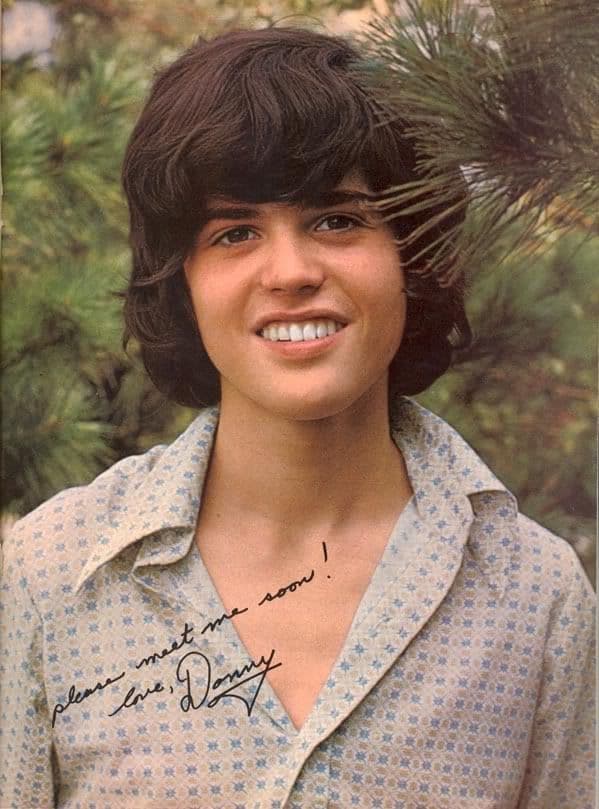
For Donny Osmond, already known for his pop‑idol legacy, assuming this role meant stepping into a deeper emotional register: the pop star becomes a prisoner, stripped of identity, seeking a flicker of hope in total darkness. His voice in “Close Every Door” is at once polished and raw; the timbre retains that crystalline clarity he’s known for, yet he imbues it with weight and weariness, as though the vocal cords themselves have carried chains. In doing so, he bridges his established persona with something more vulnerable, giving the reader‑listener a genuine sense of Joseph’s isolation in Act I.
Musically, this number acts as a kind of anchor within the show. Prior numbers—“Jacob & Sons”, “Joseph’s Dreams”, “Poor, Poor Joseph”—spin forward with rhythmic energy, nearly pop‑cantata style. But “Close Every Door” slows the tempo, reduces instrumentation, and introduces emotional gravity. Webber is here giving Rice’s words the space they demand. In fact, one reviewer earmarked it as “one of the few points where the hectic pace slows down” and the text can truly resonate. The song becomes Joseph’s confession and lament: he is alone, incarcerated, betrayed—but hope is not yet extinguished. Because the next act will bring vindication.
Lyrically the work is rich in dualities: imprisonment and promise, identity and anonymity, despair and persistence. When Joseph sings “And if I die in here”, the listener feels both the literal stakes of his plight and the symbolic weight of every human being trapped in circumstances beyond their control. Yet the refrain—“Walk on through the wind, walk on through the rain, though your dreams be tossed and blown”—reminds us that even in the darkest prison there is a door to hope, however faint. It is precisely this tension that gives the song its lasting emotional power.
Culturally, “Close Every Door” has transcended the stage. Though not released as a major chart single by Osmond, its inclusion in thousands of amateur and school productions of Joseph worldwide testifies to its impact. For Osmond, the song marked a deliberate theatrical turn—moving from teen‑idol pop to roles in musical theatre that demanded dramatic narration and character work. It stands as one of his most memorable and enduring performances.
In the story of Joseph, this moment is the nadir—the door closes, walls build, the coat of many colours is long torn—but the listener knows the arc will reverse. And in this singable lament, we are reminded of the human cost of betrayal, the resilience of the spirit, and the inevitability of redemption. For mature listeners who have carried the weight of late nights, lost dreams, and unexpected hope, “Close Every Door” is not just a song: it is a companion to the darkest hour, and a promise of dawn.