
A man trapped by regret and longing behind the bars of his own making
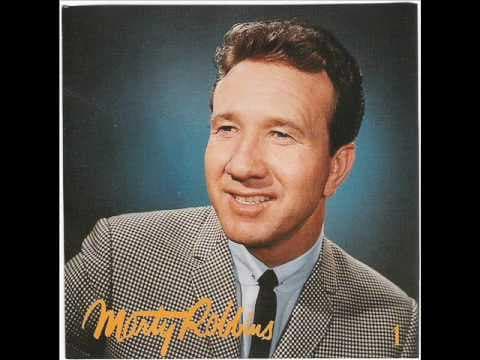
On the 1967 album My Kind of Country, Marty Robbins recorded “One Window, Four Walls”, a song that casts its listener into the cold solitude of a prison cell where remorse and lost love echo through the bars.
Though the public record does not place “One Window, Four Walls” among the towering chart-topping milestones of Robbins’s career, its inclusion on My Kind of Country situates it within a mature period of his artistry; by then he had already grown from hot young talent into a seasoned storyteller who brought weight and nuance to every melody and lyric.
In “One Window, Four Walls”, the narrative begins with a man haunted by what once was: “I once had my freedom and my life before me / Was brighter and sweeter than all words could tell.” The “freedom” is more than physical — it is the promise of life unburdened by betrayal, regret, or the consequences of a single fatal act. But love, with all its gilded illusions, becomes the catalyst for ruin. The narrator gives himself over, heedless to warnings; his passion, his folly, leads him to the arms of a woman whose devotion proves hollow. The discovery of her in another man’s arms is swift and unforgiving. In a moment of angry clarity there is a gunshot, and “just one single shot left her dead at my feet.”
From that moment the world collapses. The lyric’s refrain — “One window, four walls and a door that won’t open / That’s the only world that I’ll ever see / The warden takes care of the key” — becomes both literal and symbolic. The prison is physical, but its deeper dimension represents the inescapable guilt, the irrevocable loss, the last spark of hope extinguished. There is no redemption, no glimmer of mercy from the jury that condemns him, no possibility of prayer or deliverance. The walls close in not only around the body but around the spirit.
Musically, the song unfolds with the spare yet haunting clarity that characterizes traditional country balladry. Simple chords cradle Robbins’s voice, letting the weight of each syllable, each confession, breathe. The restraint in arrangement echoes the emptiness of the cell: no frills, no distractions, only truth laid bare. The 3/4‑time rhythm gives a subtle sway, as though the narrator is pacing his cell floor, restless, haunted by memory.
In the larger arc of Robbins’s career, “One Window, Four Walls” stands as a testament to his willingness to explore darker emotional terrain — to give voice to regret, to guilt, to tragedy. While Robbins is often celebrated for his western ballads, romantic laments, or soaring storytelling in songs like El Paso or Devil Woman, here he offers something quieter but no less powerful: a portrait of absolute despair, of a man who traded his possibilities for a moment of passion, and paid the price with his freedom.
For listeners who become lost in the sorrow of the narrator, the song becomes more than a story — it becomes a mirror. It asks what happens when love turns destructive, when choices irrevocably sever the path back. The cell is not just a penalty; it is the monument to a life undone. In the voice of Marty Robbins the listener hears not just a prisoner, but the echo of every soul who has ever known love, loss, guilt, and the cold weight of consequence.
“One Window, Four Walls” remains not a chart‑topping milestone, but a quiet, bruising gem in Robbins’s catalogue. It whispers its truth: sometimes the greatest prison is not the iron bars around one’s body, but the memories behind them.