
A quiet confession of desire that unveils the tender complexity at the heart of adult romance
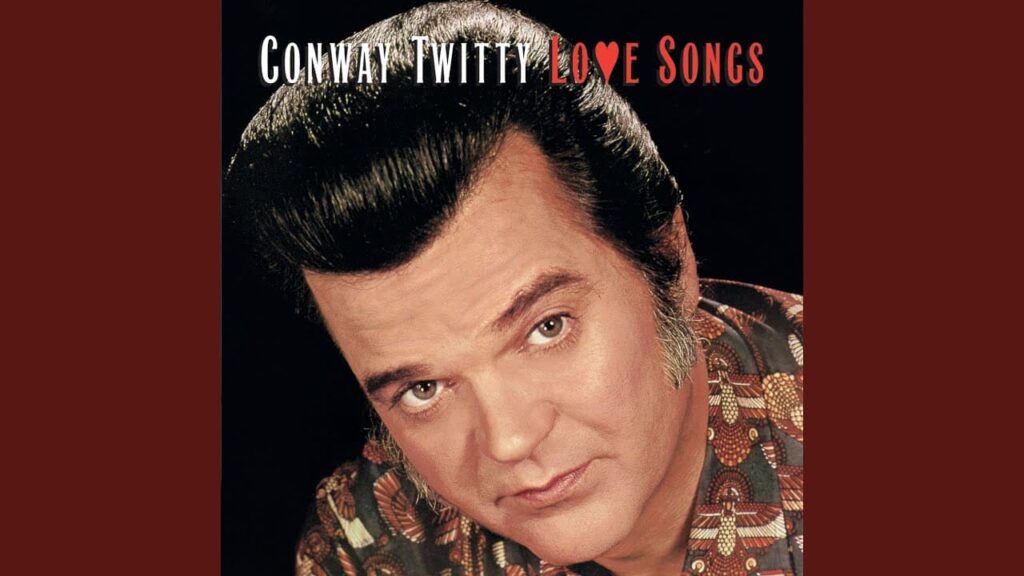
The 1980 release of Conway Twitty‘s I’d Love to Lay You Down arrived at a pivotal moment in his career, becoming a Number One hit on the Billboard Hot Country Singles chart and reinforcing his standing as one of the most expressive voices in modern country music. Issued as the lead single from the album Heart and Soul, the recording showcases Twitty’s ability to translate intimate emotion into a form that resonated deeply with a wide national audience. Written by Johnny MacRae, the song gave Twitty his twenty-fourth chart topping single and further solidified the quiet authority that had defined his work through the late seventies.
What gives I’d Love to Lay You Down its enduring weight is the way it transforms a simple declaration of attraction into a layered meditation on partnership, aging, and the sustaining power of affection. Rather than leaning on fleeting passion, the lyric celebrates physical closeness as an extension of long-term emotional commitment. The song is built on a gentle melodic structure that moves with the slow confidence of a lived-in relationship, a quality perfectly aligned with Twitty’s vocal delivery. His baritone settles into each phrase with a warmth that suggests not only desire but also reassurance. In this performance, tenderness becomes a mature virtue rather than a dramatic flourish.
The imagery within the lyric carries an intergenerational sensitivity that was rare in mainstream country music at the time. Lines that reference the passing of years, the changing of appearances, and the persistence of connection build an understated portrait of devotion. Twitty frames intimacy not as a momentary escape from life but as one of the ways partners hold each other through it. The composition leans into the emotional value of constancy, situating romantic expression within the broader arc of life’s quiet transformations.
Musically, the arrangement is restrained, anchored by soft acoustic textures and subtle rhythmic cues. This sparseness serves the narrative, allowing the vocal line to function as the central emotional instrument. The production reflects an intentional minimalism that keeps the listener close, almost in the same room, as if overhearing a private assurance rather than a performance staged for the public. The effect is a sense of closeness that blurs the line between the singer and the story.
Over the decades, I’d Love to Lay You Down has come to represent one of the defining statements of Conway Twitty’s mature artistry. It is a record that shows how country music can explore desire with honesty and respect, transforming personal sentiment into a timeless reflection on love’s quieter and more enduring forms.