
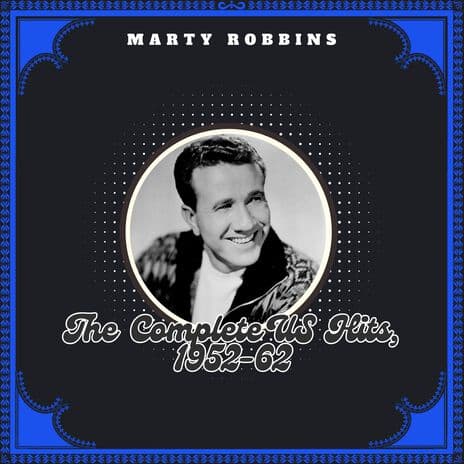
A heart that breaks in the stillness: longing exposed in sorrow
When I Couldn’t Keep from Crying unfurls its mournful melody, the listener meets Marty Robbins at a moment of irrevocable heartbreak — a wound laid bare. Released February 20, 1953 under Columbia (Columbia 21075), the single climbed to No. 5 on the U.S. Billboard country chart. Over time, the song found a place in retrospective collections of Robbins’s early work.
From the opening lines — “I saw you walking by his side, heard you whisper all those lies” — the plainspoken confession of betrayal and loss hits like a midnight gale. At a time when country music often balanced stoic gallantry with wistful romance, Robbins chose vulnerability. The instrumentation is spare yet evocative: fiddle, bass, guitar, piano — each musician contributing subtle shades of regret and resignation, leaving space for the voice to tremble with sorrow.
Though the precise inspirations behind the song are not widely documented, what endures is the emotional authenticity. The narrator is not a heroic cowboy or a dust-stained drifter — he is a man stripped raw by unfaithfulness, watching the woman he loved cradle in another’s arms. Every image is intimate and immediate: a whispered lie, a stolen kiss, a betrayal felt in the loss of a title not just of “lover,” but of “home.” The repetition of the line “And I couldn’t keep from crying” becomes not a refrain but a confession — a surrender.
Musically, the song avoids melodrama. The accompaniment is unflashy, giving weight to the voice. There is a humility to the arrangement: the fiddle might waver, the piano might press a low chord, the guitar might strum softly, but never overshadows. This restraint makes the grief feel real — breath held in a room with the lights off, letting silence hang after the final word.
In the context of Robbins’s broader output — later known for his vivid western ballads and narrative grandeur — I Couldn’t Keep from Crying stands as a testament to his capacity for intimacy. It reminds us that before the dust of gunfights and the vast loneliness of desert nights, there was heartbreak as simple and devastating as unrequited love.
Today, some may overlook the song among Robbins’s more famous works. Yet to return to it is to feel the ache of fifty-plus years ago: a man’s sorrow echoing through time, unchanged in its capacity to wound. For those who listen closely, the song remains one of country music’s most unguarded moments — a quiet, trembling heart speaking in whispers.