
A song that captures the moment when love turns from longing into defiant survival.
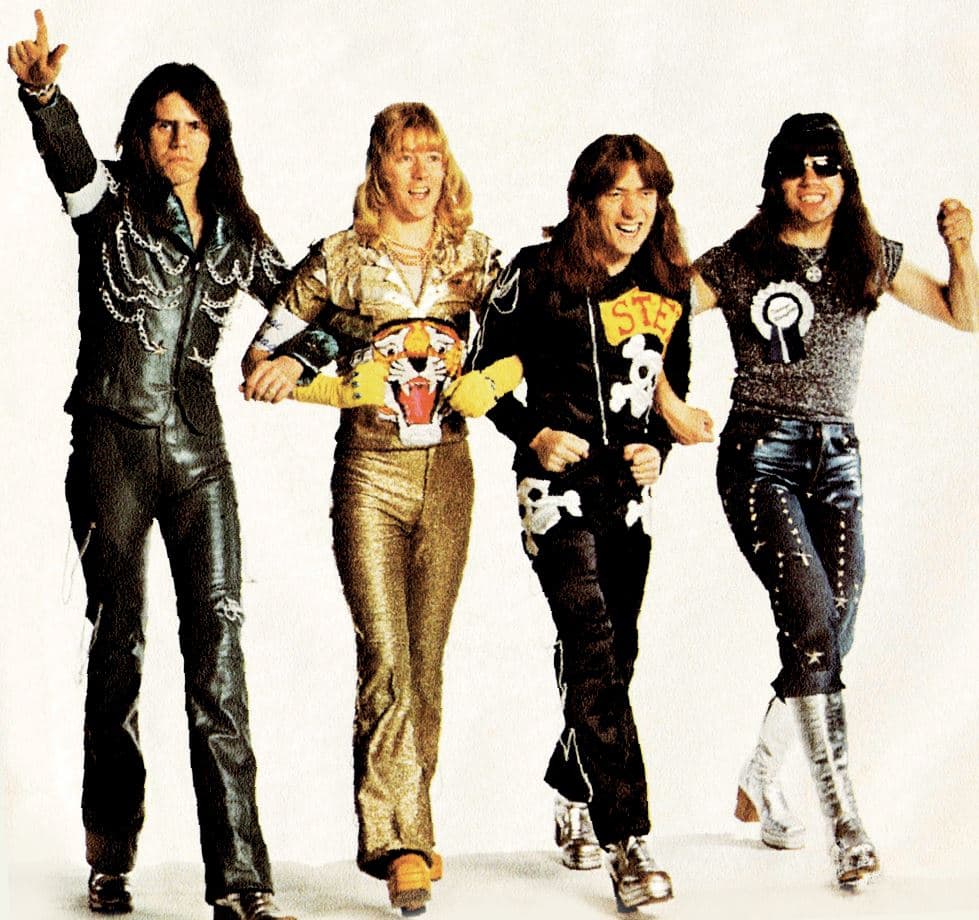
Released in 1976 by Sweet, Don’t Bring Me Water emerged during a pivotal period in the band’s career, appearing on the album Give Us a Wink and issued as a single in several territories. While it did not dominate the charts in the way Sweet’s early glam anthems once had, the song found respectable recognition in parts of Europe and marked an important statement of artistic evolution. By this point, Sweet were moving decisively away from bubblegum glam toward a harder, more emotionally grounded rock identity, and Don’t Bring Me Water stands as one of the clearest signals of that transition.
The song opens not with flamboyance, but with restraint. There is an immediate sense of tension, as if something vital has already been lost before the first line is sung. Lyrically, the phrase “don’t bring me water” functions as a rejection of empty comfort. Water, traditionally a symbol of relief or healing, is dismissed here as inadequate. The narrator is not asking to be saved, soothed, or gently reassured. Instead, the song speaks from a place of emotional exhaustion, where small gestures feel almost insulting in the face of deeper betrayal or disappointment.
Musically, Sweet lean into a more muscular sound than their early hits. The guitars are thick and deliberate, the rhythm section steady but weighted, creating a sense of inevitability. Brian Connolly’s vocal performance is particularly striking, balancing vulnerability with resolve. He does not plead. He declares. This is not the voice of someone hoping love will return, but of someone learning to survive its absence. The chorus lands with a blunt force, repeating its central demand not as a cry for attention, but as a boundary drawn in pain.
What gives Don’t Bring Me Water its lasting resonance is its emotional maturity. Unlike many breakup songs that focus on accusation or self pity, this track occupies a quieter, more dignified space. It understands that heartbreak often arrives not with explosions, but with silence. The refusal of “water” suggests a recognition that some wounds cannot be treated with kindness alone. They require distance, acceptance, and, ultimately, strength.
Within the context of Give Us a Wink, the song contributes to an album that redefined Sweet as a serious hard rock band rather than a glam novelty. It helped solidify their credibility in a changing musical landscape where excess was giving way to introspection. Over time, Don’t Bring Me Water has become a deep cut cherished by listeners who value emotional honesty over spectacle.
For the attentive ear, this song is not just about heartbreak. It is about the moment clarity arrives, when comfort is no longer enough and survival demands something harsher, truer, and more self aware. In that moment, Sweet captured a quiet truth that still echoes decades later.