
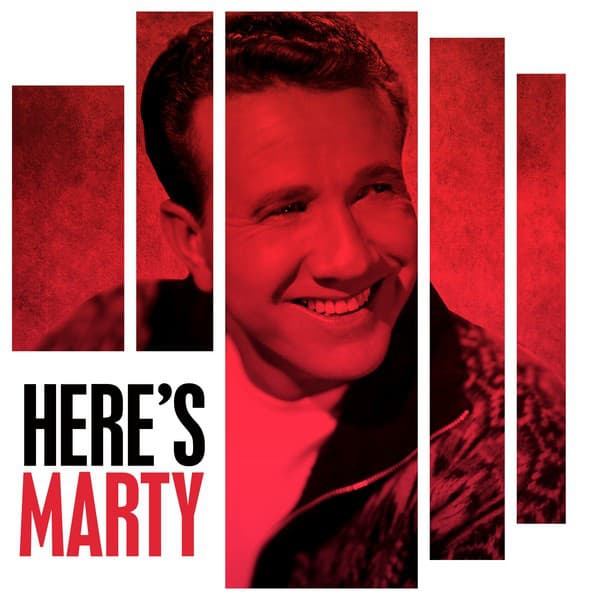
A gentle country meditation that finds grace not in ambition, but in simply staying alive long enough to feel love, regret, and renewal.
Released by Marty Robbins in 1968, The Best Part Of Living quickly affirmed its place in the upper tier of American country music, rising to the top of the Billboard Hot Country Singles chart and becoming one of the defining recordings of his late career peak. The song also served as the emotional cornerstone of the album The Best Part Of Living, an LP that captured Robbins at a moment of quiet authority, when commercial success and artistic maturity were no longer in conflict, but in harmony.
What makes The Best Part Of Living endure is not novelty or spectacle, but its unassuming wisdom. By the late nineteen sixties, Marty Robbins had already lived several musical lives. He was the outlaw balladeer of gunfighter epics, the pop crossover crooner, the polished Nashville professional. This song arrives after those battles have been fought. It sounds like the voice of a man who has survived himself.
Lyrically, the song resists the easy temptation of nostalgia. It does not romanticize youth, nor does it lament time passing. Instead, it proposes a radical idea, especially in a culture obsessed with beginnings and endings. Living itself is the reward. Robbins sings not of triumph, but of endurance. The best part is not the dream before life begins, nor the legacy after it ends. It is the act of remaining present while the world keeps turning.
Musically, the arrangement mirrors this philosophy. The production is restrained, even humble, with a steady rhythm that feels like a heartbeat rather than a march. The melody does not strain for drama. It unfolds patiently, allowing Robbins’ baritone to do what it always did best, which was to sound trustworthy. There is a warmth in his phrasing that suggests empathy rather than performance, as if he is confiding rather than declaring.
Within the broader arc of Robbins’ catalog, The Best Part Of Living stands as a philosophical counterweight to his more famous story songs. Where earlier classics relied on plot and character, this song speaks directly to the listener’s inner life. It does not tell you what happened. It tells you what it feels like to keep going.
Culturally, the song resonates because it articulates a truth that grows louder with age. Success fades. Youth recedes. Even love changes shape. What remains is the quiet dignity of continuing. In that sense, The Best Part Of Living feels less like a single and more like a benediction, offered by an artist who understood that wisdom in country music often arrives disguised as simplicity.
Listening now, decades later, the song feels timeless because it never chased its moment. It honored the human condition instead. And that, perhaps, is why it still speaks so clearly. Not because it promises answers, but because it reminds us that being here, still breathing, still feeling, is reason enough to sing.