
The Timeless Ache of Finding True, Unconditional Love in a Jaded World
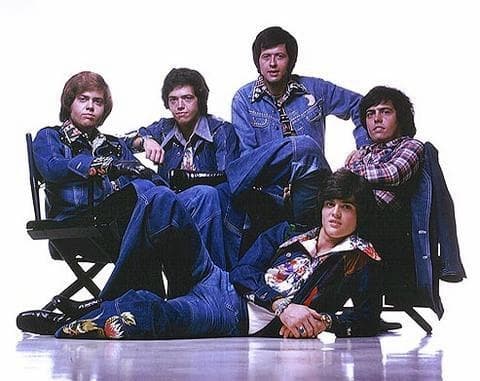
For those of us who came of age in the 1970s, the name The Osmonds instantly conjures up images of wholesome energy, dazzling smiles, and a run of pop hits that defined the era. But to see them merely as bubblegum pop idols is to miss the fascinating musical evolution of a family act that, beneath the clean-cut image, explored a surprising array of genres. Amidst their biggest smashes—the bubblegum rock of “One Bad Apple” or the proto-metal crunch of “Crazy Horses”—lies a deeper, more soulful cut that speaks to the enduring search for reliable affection: “The Girl I Love.”
Released on November 2, 1974, as a track on their Love Me for a Reason album, “The Girl I Love” never enjoyed the peak visibility of a proper single release. As such, it does not have a distinct chart position like the album’s title track, “Love Me for a Reason,” which soared to number 1 in the UK and number 10 on the US Billboard Hot 100. The Love Me for a Reason album itself, a pivotal moment in the band’s shift toward a more R&B and soft rock sound, peaked at a respectable number 47 on the US Billboard Top LPs chart. Yet, despite its quiet introduction, this song has resonated with devoted fans over the decades, capturing a vulnerability often masked by their teen-idol veneer.
The meaning of “The Girl I Love” is a beautifully straightforward lament—a plea from a man utterly weary of superficial or fleeting romance. Penned by the songwriting team of H.B. Barnum and Freddy Butler, the lyrics tell a story familiar to anyone who’s ever been burned by love. The narrator isn’t looking for fleeting passion; he’s demanding a love that is “together,” a woman who will “love and cherish me forever.” The core message is one of bruised resilience: “I’ve fallen in love too many times / Just to be hurt and treated unkind,” leading him to declare, “I don’t want your sympathy for the shape that I’m in / I’ve been hurt before I don’t want it to happen again.” It’s a raw, emotional admission that despite repeated setbacks, the hope for an honest, dependable connection still burns fiercely.
The vocal delivery on this track, likely by the group’s primary lead singer, Merrill Osmond, is what elevates it from a simple pop track to a piece of genuine soul-tinged reflection. By 1974, The Osmonds were consciously stepping away from the pure bubblegum sounds of their earlier years, embracing a slicker, more sophisticated sound informed by the soulful music they adored. While much of the songwriting was typically handled by the brothers themselves (Alan, Merrill, Jay, and Wayne), the inclusion of outside material like this track demonstrates a savvy move toward commercial pop-soul excellence. The rich arrangement, with its layered harmonies and poignant instrumentation, perfectly captures the bittersweet ache of the lyrics. It’s a song that, for those of us who remember their transition, shows the depth and maturity of The Osmonds as musicians who were evolving right alongside their dedicated, and rapidly maturing, audience. It was a soundtrack for growing up, a tender moment that acknowledged the pain of first heartbreaks and the unwavering dream of finding that one, true companion. It’s an aural embrace for anyone who has ever needed a love they could “depend on.”