
A FINAL GOODBYE WRITTEN IN SILENCE
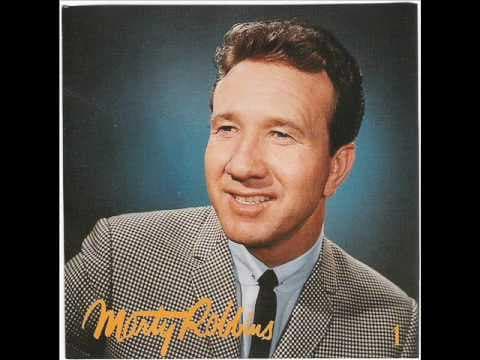
When The Last Letter unfolds in the voice of Marty Robbins the listener encounters a heartbreak so pure it feels like the last breath of a fading day. Originally penned and recorded in 1937 by Rex Griffin, the song had long since established itself as one of country music’s most heartbreaking standards. Robbins chose to revive it on his 1968 album I Walk Alone, placing “The Last Letter” as the seventh track on its B-side.
Though that album peaked at No. 2 on the Billboard country album chart and spent 26 weeks there, “The Last Letter” was not released as a single; yet its presence on the album reveals Robbins’ deep affinity for the sorrowful, confessional ballad.
In listening to Robbins’ rendition, one hears far more than a simple cover. The lyrics speak through the voice of a man pushed beyond hope — “I cannot offer you diamonds and mansions so fine,” he pleads — offering not riches but a raw promise of love and loss, a final farewell sealed in elegiac resignation.
Robbins’ baritone does more than narrate grief. It carries the austere weight of sacrifice, a quiet dignity that does not demand pity but invites empathy. In the context of the 1968 album, The Last Letter stands in contrast to Robbins’ better-known western ballads and gun-slinger narratives, illuminating his versatility. It reveals the breadth of his emotional landscape and his ability to inhabit sorrow as convincingly as he could dramatize desert sunsets or dusty gunfights.
This version resonates because Robbins never transforms the song’s grief into melodrama. Instead, he treats it like a letter written by candlelight — intimate, trembling, honest. There is a sense that the narrator writes from inside the quiet confinement of heartbreak, fully aware that no reply will come. The final lines linger not just as words but as a haunting echo: “I will be gone when you read this last letter from me.”
By including “The Last Letter” on I Walk Alone, Robbins aligned himself with a lineage of performers who honored the ballad tradition. Yet his version also stands apart. Where earlier renditions by Griffin or others carried the tremulous wail of early hillbilly sorrow, Robbins offers a smoother, more measured sorrow — the sorrow of a man who has seen too much love wasted, too many goodbyes final. In doing so he preserves the song’s stark emotional core while polishing its edges to shine in the subdued light of late-60s country production.
Ultimately, Robbins’ “The Last Letter” becomes less about confession and more about farewell — not only from a lover but from the idea of solace itself. It is a song about closure, about the heavy peace that follows inevitability, and about the dignity one clings to when the world has gone cold.
For those willing to listen closely, his version offers more than nostalgia: it offers communion through pain, a bridge across lonely hearts, a quiet final bow from a man who knew loss but refused to cheapen it.