
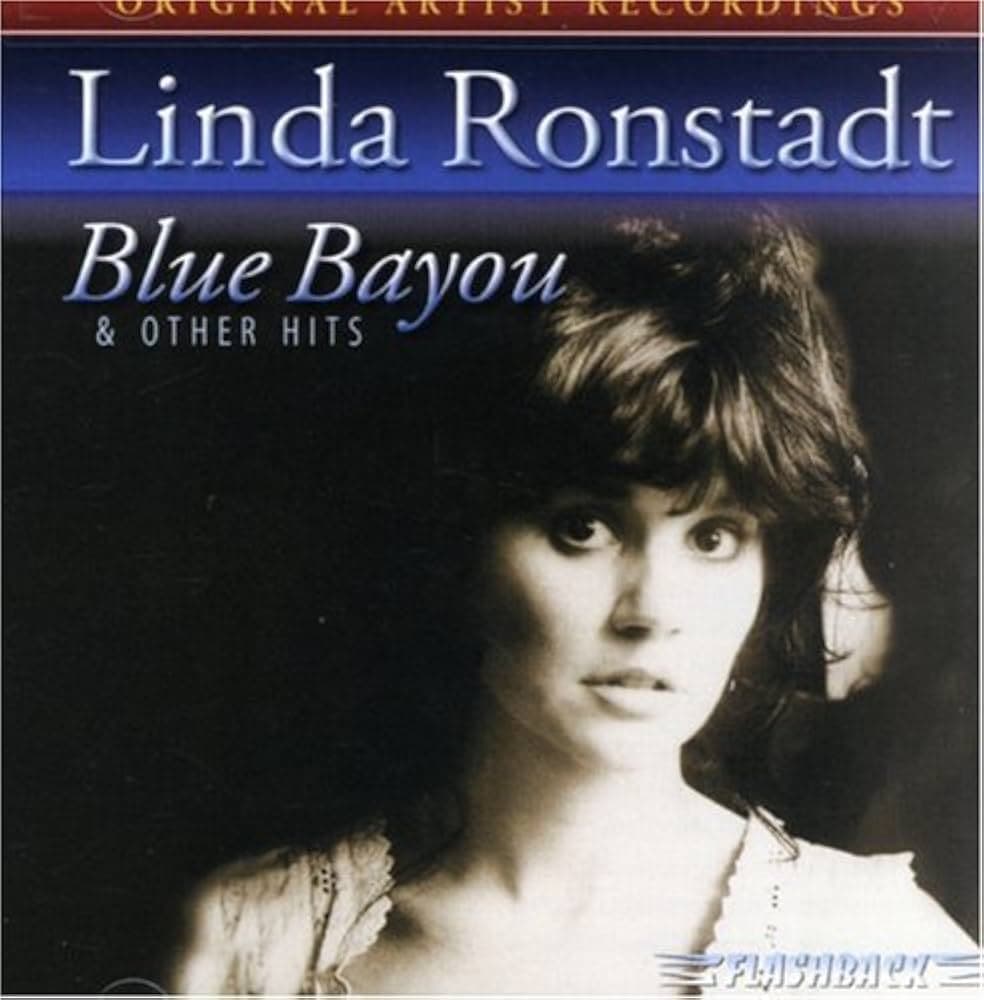
A longing so vivid it turns memory into a living, breathing place
In 1977, Linda Ronstadt carried Blue Bayou to remarkable commercial and cultural heights when her interpretation reached number 3 on the Billboard Hot 100 and became one of the defining tracks of her best selling album Simple Dreams. Although written by Roy Orbison and Joe Melson in 1961, the song found its most iconic life in Ronstadt’s voice, where its blend of country, pop, and Southwestern melancholy resonated with a broad audience and solidified her standing as one of the most expressive vocalists of her era.
The enduring power of Blue Bayou begins with Ronstadt’s instinctive understanding of the song’s emotional spine. Her rendition is not framed as a simple cover. It is a reclamation of place and feeling. The recording builds an atmosphere where homesickness becomes both a wound and a sanctuary. The arrangement leans into a gentle, slow moving rhythm that mimics the ebb and flow of memory. Strings soften the edges, the steel guitar curls through the melody, and Ronstadt’s voice sits at the center with unhurried conviction. She sings not from the vantage point of escape but from the quiet ache of someone who has lived too long in the distance between who they were and who they became.
The lyric itself offers a familiar narrative of yearning for home. Yet Ronstadt elevates it beyond geography. Her delivery turns the bayou into a psychological landscape. It becomes a place where time pauses and identity clarifies. When she leans into the line about working until her hands are raw, the song reveals its portrait of labor, sacrifice, and emotional endurance. The fantasy of returning is not naïve. It is a coping mechanism for someone who understands the cost of staying away yet feels compelled to imagine a gentler world waiting in the background of her life.
Much of the magic lies in the tension between realism and idealism. The music floats with a soft luminosity. Her vocal phrasing suggests both vulnerability and resolve. The result is a performance that feels intensely private although it was delivered to a global audience. This paradox is what gives Blue Bayou its lasting cultural presence. Listeners return to it not to witness a dramatic transformation but to experience a quiet truth that Ronstadt renders with absolute clarity. The song endures because it expresses the universal human impulse to seek refuge in the remembered tenderness of home. It stands as one of the most moving examples of how Ronstadt could take a well known composition and turn it into a definitive emotional statement.