
When Heartache Becomes a Question of Worth Knowing When You Will Be Loved
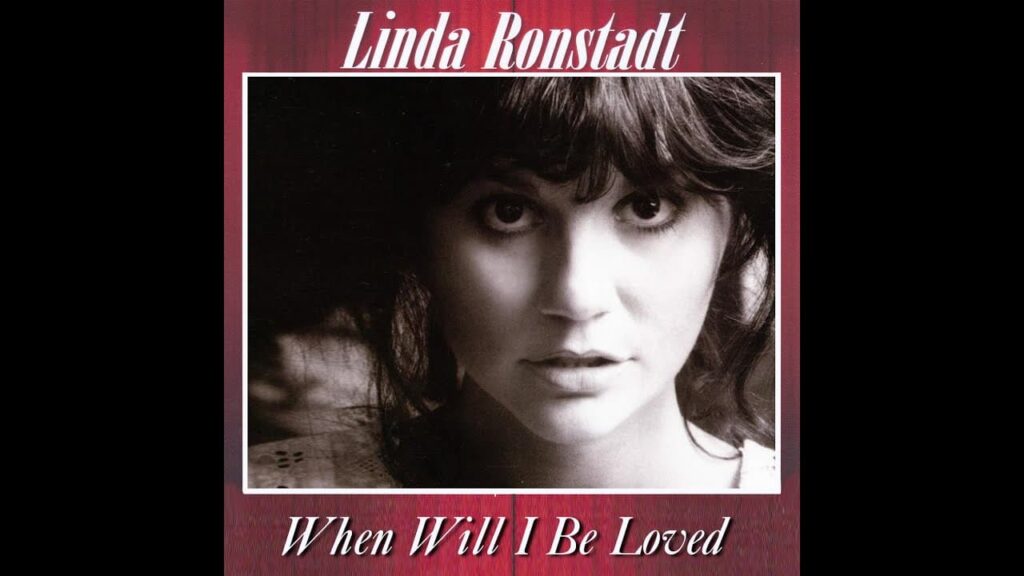
In 1975, Linda Ronstadt lifted “When Will I Be Loved” from the shadow of its 1960 origin and cast it into the glaring spotlight of commercial success. Her version, drawn from the album Heart Like a Wheel, soared to number 2 on the US Billboard Hot 100 that June, and reached number 1 on the country chart.
From the very first notes, Ronstadt’s rendition reverberates with urgency and longing. The song’s plea becomes a universal question for anyone who has ever waited in silence for love’s affirmation.
The Song’s Journey From 1960 to 1975
Originally penned by Phil Everly and recorded by The Everly Brothers, “When Will I Be Loved” was a top‑ten hit in the summer of 1960, peaking at number 8 on the Billboard Hot 100. In their hands it was a bittersweet rockabilly‑tinged lament, shaped by their signature close‑harmony style and the raw emotional minimalism of early rock and roll.
Fifteen years later, Ronstadt included the song as the second single from Heart Like a Wheel. Capitol Records had initially hesitated whether to lead with “When Will I Be Loved” or the more gritty “You’re No Good.” They ultimately released “You’re No Good” first, but Ronstadt’s take on “When Will I Be Loved” quickly proved that their caution was unnecessary. Her version rearranged the original’s verses, injecting the familiar lyrics with a new structure and emotional weight.
Why Ronstadt’s Version Resonates
What makes Ronstadt’s rendition so enduring is how she fuses the song’s straightforward lament with her own vocal depth. Her voice—full, resonant, tinged with both vulnerability and resolve—lifts the simple questions of the lyrics into something deeper. When she asks “When will I be loved,” it is not just a question of romantic return. It becomes an existential plea: a longing for recognition, for sincerity, for belonging.
The production on Heart Like a Wheel amplifies that duality. Under careful guidance, the arrangement straddles country and rock sensibilities. Ronstadt, with support from strong harmonies by backing vocalists, transforms a 1960 rockabilly ballad into something that belongs as much to Southern heartbreak as to mainstream longing. In doing so, she reframes the song’s emotional core not as teenage yearning, but as mature vulnerability.
Moreover, the cultural moment of 1975 gave the song a broader resonance. In an era when the lines between rock, pop, and country were blurring, Ronstadt stood at that crossroads—her voice a bridge between disparate traditions. By reclaiming this 15‑year‑old song and reintroducing it to a new generation, she honored the past even as she made the song her own.
Legacy: A Timeless Question
Decades later, Ronstadt’s “When Will I Be Loved” remains a highlight in her canon—and a touchstone for anyone who knows waiting and hoping. It neither demands demographics nor pretends to counsel. Instead, it holds up a mirror to the human heart, and reflects its contradictions, its doubts, its stubborn hope.
In that quiet, persistent question—When will I be loved—there lies the song’s power. Not because it promises an answer. But because it gives voice to the longing that often cannot be voiced.