
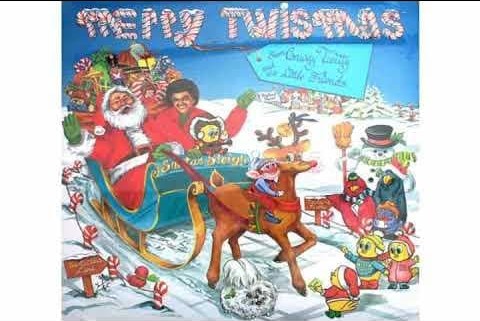
A familiar Christmas fable reframed as a quiet meditation on belonging and redemption
Released during the height of his commercial power, “Rudolph the Red Nose Reindeer” appeared on Conway Twitty’s 1970 holiday album Christmas with Conway Twitty, a record that aligned seasonal tradition with one of country music’s most recognizable voices. Issued as part of his Christmas repertoire rather than a career defining pop crossover, the song did not depend on blockbuster chart dominance to secure its place. Instead, it settled into something more enduring, a recurring presence on country radio each winter, carried by Twitty’s stature as a consistent chart leader of the era and by the song’s deep familiarity within American culture.
By the time Twitty recorded “Rudolph the Red Nose Reindeer”, he was already a master of emotional economy. His voice, rich and controlled, had spent the late 1960s and early 1970s translating longing, regret, and devotion into country hits that resonated far beyond Nashville. Approaching a children’s Christmas standard could have resulted in novelty or sentimentality. Twitty chose a different path. His rendition treats the song not as a sing along but as a parable, one that quietly mirrors the emotional architecture of his adult recordings.
At its core, “Rudolph the Red Nose Reindeer” is a story about exclusion transformed into purpose. Twitty leans into that narrative with restraint. He does not exaggerate the cheer or rush the familiar verses. Instead, his phrasing allows space for the early loneliness of the character to register with gravity. The mockery of Rudolph’s difference feels less playful here, more reflective of real social rejection. In Twitty’s hands, the song briefly becomes about every outsider who has waited to be seen as useful rather than strange.
Musically, the arrangement favors warmth over spectacle. Traditional holiday instrumentation supports the vocal rather than competing with it. Twitty’s baritone grounds the melody, giving it a conversational intimacy that feels almost fireside in nature. This is not the exuberant sleigh bell driven version heard in children’s choirs. It is slower, steadier, and more reflective, aligning the song with adult memory rather than childhood excitement.
What elevates this recording is how naturally it fits within Twitty’s broader artistic identity. Throughout his career, he specialized in characters on the margins of emotional certainty, lovers unsure of their worth, men seeking redemption through love. Rudolph’s journey, from ridicule to quiet heroism, parallels those themes with surprising elegance. The final verses, often treated as triumphant and playful, arrive here with a sense of earned dignity.
Within the context of Christmas with Conway Twitty, the song functions as a thematic anchor. The album balances reverence and familiarity, tradition and personal expression. “Rudolph the Red Nose Reindeer” becomes less about the season itself and more about the values the season claims to celebrate. Compassion, patience, and the recognition of hidden worth.
Decades later, Twitty’s version endures not because it reinvented a holiday classic, but because it respected it. By refusing novelty and choosing sincerity, Conway Twitty preserved the song’s innocence while uncovering its emotional weight. In doing so, he turned a simple Christmas tale into a quiet reflection on acceptance, one that continues to resonate each time winter returns and familiar songs are heard again.