
A familiar warning transformed into a quiet meditation on belief, memory, and the weight of tradition.
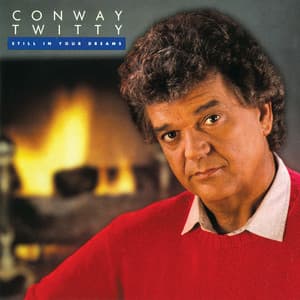
Conway Twitty recorded SANTA CLAUS IS COMIN’ TO TOWN for his 1986 holiday album CHRISTMAS WITH CONWAY TWITTY, a project that was never designed to chase chart momentum but to settle into the long groove of seasonal memory. The song was not positioned as a chart-driven single upon release, and its life has unfolded instead through recurrent airplay, personal collections, and the annual ritual of revisiting voices that feel like old companions. That context matters, because Twitty’s version was never meant to compete with the jubilant big band readings or novelty-driven interpretations that had already crowded the holiday canon. It was meant to endure.
At first glance, SANTA CLAUS IS COMIN’ TO TOWN is one of the most straightforward songs in American popular music. Its lyrics read like a checklist of childhood instruction. Be good. Be careful. Someone is watching. Yet in the hands of Conway Twitty, simplicity becomes something heavier and more reflective. His voice does not rush the message or exaggerate its cheer. Instead, he approaches the song with the same emotional restraint he brought to his most intimate ballads. There is warmth here, but it is a seasoned warmth, informed by years of singing about consequence, longing, and quiet accountability.
What separates Twitty’s interpretation from more animated versions is his understanding of subtext. The song’s core is not joy but vigilance. It is about behavior shaped by expectation, about innocence framed by rules. Twitty leans into that unspoken tension. His phrasing is calm, deliberate, almost paternal. He sounds less like a narrator for children and more like a voice passing down a lesson that has outlived its original audience. In doing so, he reveals how close the song sits to themes that defined his career. Responsibility. Observation. The awareness that actions carry meaning beyond the moment.
Musically, the arrangement supports this introspection. The production avoids spectacle. There is no urgency to sparkle or overwhelm. Instead, it creates space for Twitty’s baritone to settle comfortably into the melody, allowing the listener to hear the song not as a novelty but as a seasonal meditation. It feels closer to a fireside reading than a parade float, and that choice quietly reclaims the song from caricature.
Culturally, SANTA CLAUS IS COMIN’ TO TOWN has always functioned as a shared ritual rather than a personal confession. Twitty’s version bridges that divide. He brings a personal gravity to a communal song, reminding listeners that traditions persist because they adapt. In his hands, Santa becomes less a mythical judge and more a symbol of memory itself, returning each year to ask the same question in different voices. Who have you been. Who are you becoming.
That is why Conway Twitty’s reading endures. It does not try to redefine Christmas music. It simply slows it down, lowers the lights, and allows a familiar song to speak with adult clarity. In the quiet authority of his voice, the warning becomes reflection, and the ritual becomes something gently human.