
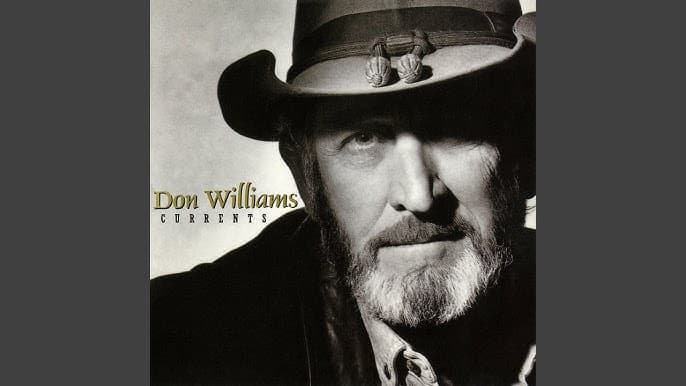
A quiet confession about isolation, dignity, and the weight of feelings left unspoken
Released as a single from Don Williams’ album Images, Tears of the Lonely emerged in the late 1970s as a Top Five hit on the Billboard Hot Country Singles chart, reaffirming Williams’ singular place in country music as a voice for restraint, reflection, and emotional honesty. At a time when the genre often leaned toward theatrical heartbreak or bravado, this song arrived with none of that urgency. It moved slowly, deliberately, and with the kind of confidence that comes from knowing exactly what it wants to say.
Tears of the Lonely is not a song about dramatic loss. It is about what lingers after the drama has passed. The lyric speaks from a place of emotional aftermath, where loneliness is no longer loud but settled, where sorrow has become familiar enough to carry quietly. Williams does not plead or accuse. He observes. That observational quality is central to the song’s power. Loneliness here is not framed as a temporary state but as a condition that reshapes the inner life, altering how love, memory, and hope are experienced.
Musically, the arrangement reflects this emotional posture. The tempo is unhurried, the instrumentation clean and unadorned. Steel guitar lines drift rather than cry, and the rhythm section never pushes the song forward. Instead, it allows space for reflection, reinforcing the sense that this is a song meant to be lived with rather than escaped from. Williams’ vocal performance is measured and warm, marked by his signature baritone that sounds less like a performance and more like a quiet conversation held late at night. There is no strain in his voice, no attempt to sell the pain. He trusts the listener to recognize it.
What makes Tears of the Lonely endure is how it treats loneliness with dignity. The song does not portray the narrator as broken or defeated. Instead, loneliness is presented as a reality that must be acknowledged and endured. This perspective aligns perfectly with Williams’ broader artistic identity. Throughout his career, he specialized in songs that respected emotional maturity. His characters often accept their circumstances not out of weakness, but out of understanding. In this song, loneliness becomes a form of emotional knowledge, something learned rather than feared.
Culturally, Tears of the Lonely stands as a reminder of a period in country music when subtlety carried commercial weight. Its chart success demonstrated that audiences were willing to engage with songs that offered quiet truth instead of spectacle. Within Images, the track contributes to an album defined by emotional cohesion rather than singles-driven ambition. It fits seamlessly into a body of work that values mood, tone, and internal consistency.
Decades later, the song remains a testament to the strength of understatement. Don Williams did not need to raise his voice to make loneliness heard. In Tears of the Lonely, he gave it form, patience, and grace, allowing it to speak in the low register where the most lasting truths tend to reside.