
In the Quiet Chamber of Regret a Broken Heart Becomes Immortal
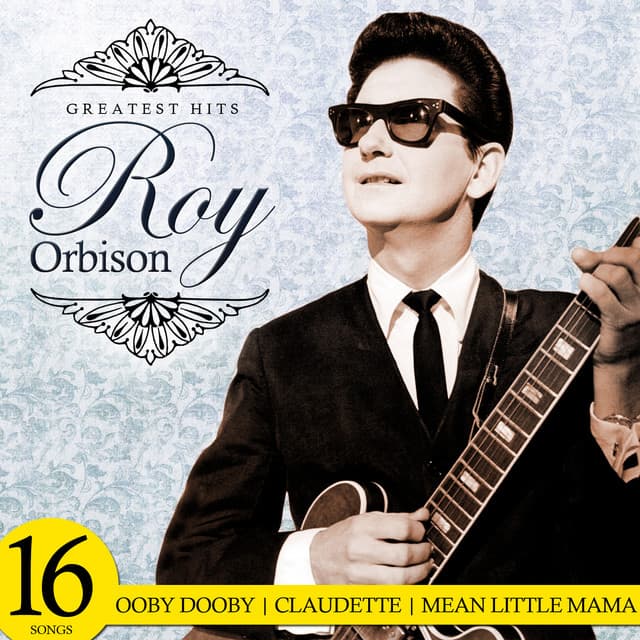
Fool’s Hall of Fame occupies a peculiar corner in the catalog of Roy Orbison, one that illuminates the raw vulnerability beneath the singer’s already fragile and yearning voice. Unlike the meteoric hits that would soon define his career, this early recording did not ascend the charts; it remains without a documented Billboard placement, an artifact rather than a commercial milestone from the dawn of Orbison’s journey as a solo artist. Despite its absence from mainstream chart success, the song has endured in the consciousness of fans and archivists alike as the earliest hint of Orbison’s capacity to intertwine heartbreak and poetic metaphor with startling directness.
Recorded during Orbison’s formative years at Sun Records, where he stood alongside the likes of Elvis Presley, Johnny Cash, and Carl Perkins, Fool’s Hall of Fame predates the towering successes that would define his legacy. At Sun, Orbison was still searching for his voice, experimenting with rockabilly, blues, and heartfelt pop sensibilities. The track itself later found life on compilations chronicling his early repertoire, preserving the raw, unvarnished emotion that Orbison was only beginning to harness.
The lyrical narrative of Fool’s Hall of Fame reads like a confession rendered in plaintive poetry. The narrator stands accused not by others but by his own conscience, having surrendered love through carelessness and folly. In Orbison’s phrasing, the emotional wreckage of a failed romantic bond is transformed into its own haunted monument: a hall of fame not for achievement but for folly. Lines like “if I live to be a hundred, I won’t forget the day / I broke the heart you gave me” articulate a self-reproach that feels both intimate and universal. The “fool” here is both lover and self, damned not by judgment but by the relentless memory of irrevocable loss.
Musically, the performance captures Orbison in the transitional space between his rockabilly roots and the sweeping balladry that would come to define him. His vocal approach on this track already suggests the emotional breadth that would later power classics such as Only the Lonely and Crying: a vibrato that trembles with vulnerability, a tenor that can carry both fragility and resolve. Even without the lush orchestral arrangements of his later hits, the simplicity of the arrangement allows Orbison’s voice to claim the foreground, bearing the weight of the song’s emotional stakes with astonishing clarity.
Though Fool’s Hall of Fame never became a commercial cornerstone of Orbison’s career, its legacy lies in its prescience. It foreshadows the thematic obsessions that Orbison would refine throughout the 1960s—heartbreak not as melodrama but as existential condition, love not as conquest but as unending risk. In the quiet chamber of this early recording, we hear the first resonances of a voice that would soon bridge rock and roll’s rawness with something deeper, more timeless, and profoundly human. As a document of an artist on the cusp of transformation, Fool’s Hall of Fame remains an evocative testament to the haunting power of regret and the enduring echoes of love lost.