
Quiet plea that exposes how love is most vulnerable at the moment it is taken for granted
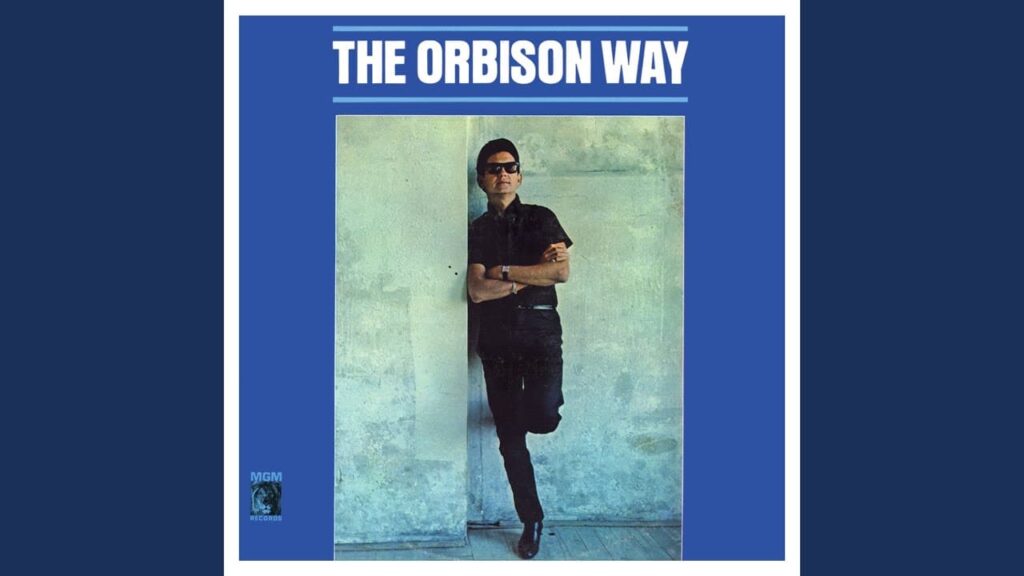
Upon its release in the mid 1960s, Why Hurt The One Who Loves You emerged as a Top 40 single for Roy Orbison, drawn from his MGM era album The Orbison Way, a record that marked a subtle but meaningful shift in his artistic direction. By this point, Orbison was already firmly established as one of popular music’s most emotionally daring voices, a singer whose chart success was matched by an almost operatic commitment to emotional truth. While the song did not dominate the charts in the manner of his earlier cultural landmarks, its commercial presence confirmed something more enduring. Orbison’s audience was willing to follow him into quieter, more introspective territory.
The power of Why Hurt The One Who Loves You lies not in narrative spectacle but in emotional exposure. Unlike the melodramatic climaxes of Orbison’s early hits, this song operates as a restrained confrontation. The lyric does not accuse with anger or dramatize betrayal. Instead, it asks a question that feels almost too gentle to survive the cruelty it addresses. That restraint is precisely where its force resides. The song understands that the deepest wounds are often inflicted without raised voices, without final goodbyes, and without even the intention to destroy.
Musically, the arrangement reflects this emotional economy. The instrumentation is measured and supportive, allowing Orbison’s voice to carry the full psychological weight of the lyric. His vocal performance is notable for what it withholds. Rather than ascending into his trademark high register, he sings with a controlled ache, as if choosing composure over collapse. This decision transforms the song into an interior monologue, one that feels less like a performance and more like a confession overheard too late.
Lyrically, the song explores a paradox that runs through much of Orbison’s catalog. Love is portrayed not as a shield but as an exposed nerve. The one who loves most becomes the easiest target, not because of weakness, but because love itself removes armor. The question at the heart of the song is never answered. Orbison does not offer resolution or moral clarity. He simply presents the emotional reality and steps aside, trusting the listener to recognize themselves within it.
Within The Orbison Way, the song serves as a thesis statement for the album’s quieter philosophy. This was an Orbison who had moved beyond youthful heartbreak toward something more reflective and mature. The drama is still present, but it is internalized. Pain is no longer shouted into the night. It is spoken softly, with the understanding that love does not always fail loudly.
Decades later, Why Hurt The One Who Loves You endures not because of its chart position, but because of its emotional honesty. It captures a universal moment when love realizes it has no defenses left. In that realization, Roy Orbison offers one of his most human performances, reminding listeners that sometimes the most devastating songs are the ones that never raise their voice.