
Desire remembers what conscience tries to forget, and Cheatin’ Fire burns in that uneasy space between regret and want.
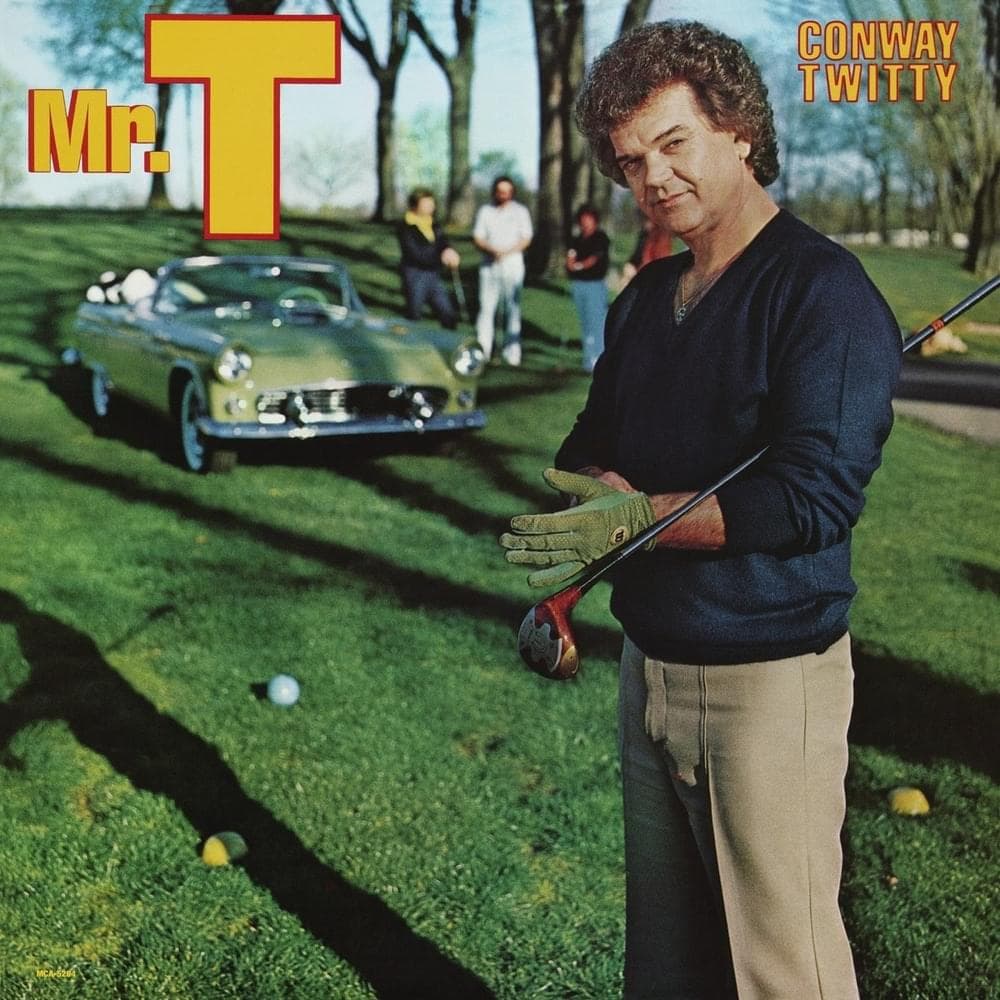
Upon its release in 1985, Cheatin’ Fire emerged as a Top Ten hit on the Billboard Hot Country Singles chart, carried by the unmistakable authority of Conway Twitty and housed on the album Don’t Call Him a Cowboy. By this stage in his career, Twitty was no longer chasing validation. He was curating confessionals. The song arrived not as a dramatic reinvention, but as a continuation of his long standing dialogue with adult emotion, a conversation he had been refining since the early 1970s. Commercially successful yet emotionally unguarded, Cheatin’ Fire exemplified how Twitty could turn moral tension into mainstream resonance.
At its core, the song is not about infidelity as spectacle. It is about temptation as memory. The narrator does not frame himself as reckless or proud. Instead, he sounds weary, self aware, and quietly unsettled by how easily old feelings reignite. The fire in the title is not passion in its first blaze, but embers that never fully cooled. Twitty understood that the most dangerous desires are not the new ones, but the familiar ones, those that already know your name. The lyric does not chase excitement. It circles inevitability.
Musically, Cheatin’ Fire is built with restraint. The arrangement leans on steady mid tempo pacing, allowing the vocal to lead without obstruction. There is no excess instrumentation, no attempt to dramatize what is already heavy. This economy of sound mirrors the internal conflict of the narrator. Everything is held back, measured, controlled, except the truth slipping through the voice. Twitty sings not with youthful urgency, but with the practiced tone of a man who knows exactly what the consequences are and feels the pull anyway. That awareness is what gives the performance its gravity.
What elevates the song beyond its era is its refusal to moralize. There is no sermon hidden in the final chorus, no lesson neatly tied with repentance. The song simply observes. It acknowledges that desire does not always respond to reason, that history can feel warmer than the present, and that emotional loyalty is often tested long before physical lines are crossed. This ambiguity is where Cheatin’ Fire lives, and where it continues to resonate.
Within Conway Twitty’s catalog, the song stands as a mature companion to his earlier explorations of forbidden closeness and emotional risk. By the mid 1980s, country music was increasingly polished, increasingly safe. Cheatin’ Fire chose discomfort instead. It trusted the listener to recognize themselves in the pause before the wrong decision, in the heat that flares when it should not. Decades later, the record still feels intimate, not because it shocks, but because it tells the truth quietly.