
A song that turns chaos into celebration, capturing the moment when youth, noise, and freedom collide under flashing lights.
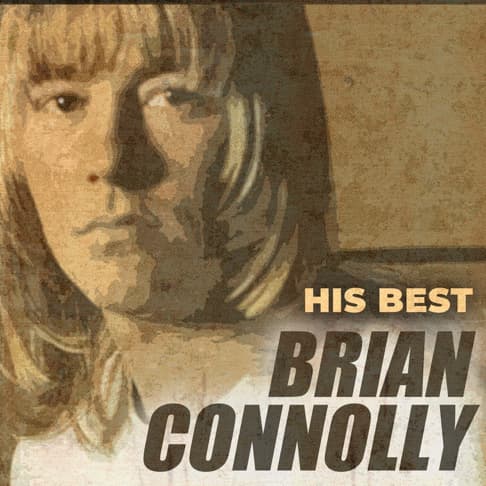
When Brian Connolly revisited Ballroom Blitz, he was reaching back to one of the most explosive singles of the glam rock era, a song that first stormed the charts in 1973. Upon its original release with Sweet, the track raced to No. 1 on the UK Singles Chart and broke into the US Top 5 on the Billboard Hot 100, later becoming a defining centerpiece of the album Desolation Boulevard. In this rerecorded version, Connolly, the unmistakable voice behind the original hit, steps forward not as a young provocateur but as a seasoned survivor, carrying history in every line he sings.
The origins of Ballroom Blitz are inseparable from the raw electricity of live performance. Written by Nicky Chinn and Mike Chapman after a turbulent Sweet concert in Scotland, the song distilled the unpredictable atmosphere of a crowded ballroom where excitement could turn to disorder in seconds. Rather than smoothing over that chaos, the lyrics embrace it. The famous roll call of band members and the shouted cues feel less like studio polish and more like a document from the floor of the venue, where sweat, anticipation, and adrenaline ruled the night. It is a song that does not merely describe a scene. It throws the listener directly into it.
What makes Ballroom Blitz endure is its architecture. The pounding piano intro acts like a door being kicked open. The stop start dynamics mirror the push and pull of a restless crowd. Lyrically, the song is deceptively simple, yet it captures a universal experience. The thrill of being young, packed into a room with strangers, waiting for something to explode. There is no romance here, no introspection. The emotion is collective and immediate. It is about belonging to the noise.
In Connolly’s rerecorded performance, that meaning subtly shifts. His voice carries a rasp shaped by years of triumph and hardship, lending the song a reflective edge without dulling its impact. The energy remains, but it is now framed by memory. This is not a reenactment. It is a testimony. Connolly sounds like a man standing at the edge of his own legend, fully aware of what the song gave him and what it cost.
Culturally, Ballroom Blitz stands as one of glam rock’s purest statements. It rejected seriousness in favor of spectacle, yet beneath the glitter was a sharp understanding of pop power. The song has survived changing fashions because it captures a feeling that never ages. The moment before the lights go down. The instant when the crowd realizes something unforgettable is about to happen. In revisiting it, Brian Connolly reminds us that some songs are not just heard. They are lived, again and again, every time the needle drops.