
Tender meditation on memory, loss, and the quiet ache of time passing
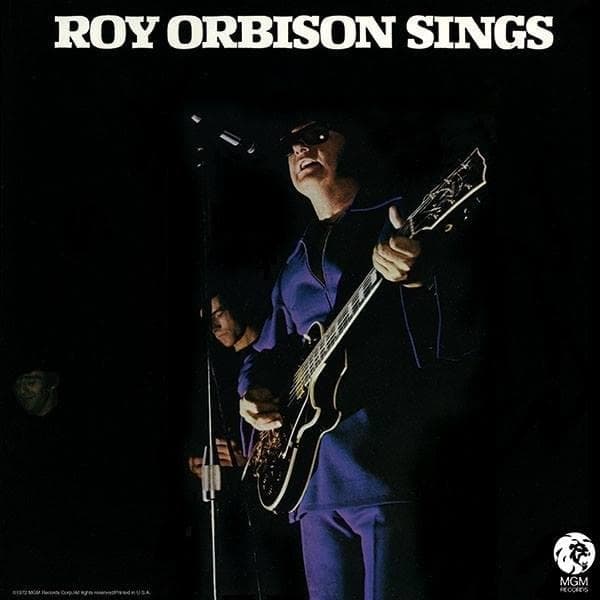
Recorded by Roy Orbison and later revisited in its Remastered 2015 form, Try To Remember stands as one of those performances that mattered less to the charts and more to the soul. Released on the album Roy Orbison Sings, the track did not announce itself with commercial thunder upon arrival, nor did it compete with the operatic drama of Orbison’s most famous singles. Its chart presence was modest, almost incidental. Yet for listeners attuned to nuance, it revealed another essential side of an artist too often defined only by heartbreak anthems and soaring crescendos.
Originally written by Tom Jones and Harvey Schmidt for the 1960 musical The Fantasticks, Try To Remember is a song built on recollection rather than confrontation. In Orbison’s hands, it becomes something even more intimate. Where many singers approach the song as gentle nostalgia, Roy Orbison transforms it into a fragile act of emotional preservation. This is not a man urging us to remember for comfort. It is a voice asking us to remember because forgetting would be unbearable.
Orbison’s vocal performance here is striking in its restraint. He resists the instinct to climb toward catharsis. Instead, he sings as if standing still, allowing memory itself to move around him. The phrasing is careful, almost reverent. Each line feels weighed, as though recalling the past carries a physical cost. His famous vibrato is softened, used sparingly, like a tremor that escapes despite the singer’s effort to remain composed. The effect is devastating in its quiet honesty.
Lyrically, Try To Remember operates on the simplest of imperatives. Remember September. Remember love. Remember when life felt open and unguarded. Yet simplicity here is deceptive. The song understands that memory is not neutral. To remember is to reopen doors we once sealed for survival. Orbison’s interpretation leans into that truth. There is an unspoken awareness that what is being remembered may never return, and that the act of remembering is itself an admission of loss.
Musically, the arrangement supports this emotional gravity with elegance. The orchestration never intrudes. Strings hover rather than swell. The tempo moves patiently, as if unwilling to rush the listener through their own recollections. This allows Orbison’s voice to remain the central instrument, guiding the song with a sense of lived experience rather than theatricality.
In the broader context of his career, Try To Remember feels like a reflective pause. It arrives from an artist who knew the cost of memory all too well, shaped by personal tragedy and professional resurrection. While the song predates many of Orbison’s later hardships, his performance seems to anticipate them, as though he already understood how deeply memory could wound and sustain in equal measure.
Today, especially in its Remastered 2015 form, Try To Remember endures not as a forgotten standard, but as a quiet testament to Roy Orbison’s rare ability to make stillness speak. It asks nothing of the listener except honesty. To remember. To feel. And to accept that some songs are not meant to heal us, but to sit beside us in the dark and keep us company.