
A fleeting dream becomes a timeless meditation on desire, hope, and the sweet ache of longing
Among the many jewels in Roy Orbison’s remarkable catalog, “Dream Baby (How Long Must I Dream)” occupies a special place—a song that marries youthful optimism with the emotional vulnerability that would become one of Orbison’s defining artistic signatures. First released in 1962 and later included on Roy Orbison’s Greatest Hits, the single soared to No. 4 on the U.S. Billboard Hot 100 and reached No. 2 in the United Kingdom, confirming Orbison’s growing status as one of the era’s most distinctive voices.
Written by the legendary songwriter Cindy Walker, “Dream Baby (How Long Must I Dream)” arrived during a period when Orbison was redefining the emotional possibilities of popular music. While many early-1960s rock and roll hits celebrated romance in straightforward terms, this song inhabits a more delicate emotional territory. Its narrator is suspended between reality and imagination, haunted by visions of a love so vivid that it feels tangible, yet remains frustratingly beyond reach.
What makes the song endure is the tension between its buoyant rhythm and its underlying yearning. On the surface, the melody dances with an almost carefree energy. The driving beat, bright guitar work, and memorable saxophone flourishes create the atmosphere of a classic jukebox favorite. Yet beneath that infectious momentum lies a question that has echoed through generations of popular song: how long can a person live on hope alone?
Orbison understood better than most artists that longing often carries its own strange beauty. Even in his most upbeat recordings, there is frequently a trace of loneliness hovering at the edges. In “Dream Baby”, that emotional duality is especially striking. The dream is exhilarating because it offers a glimpse of fulfillment, but it is also painful because morning inevitably arrives. The song captures the universal experience of wanting something so intensely that it begins to occupy the imagination, transforming sleep into a refuge where desire briefly becomes reality.
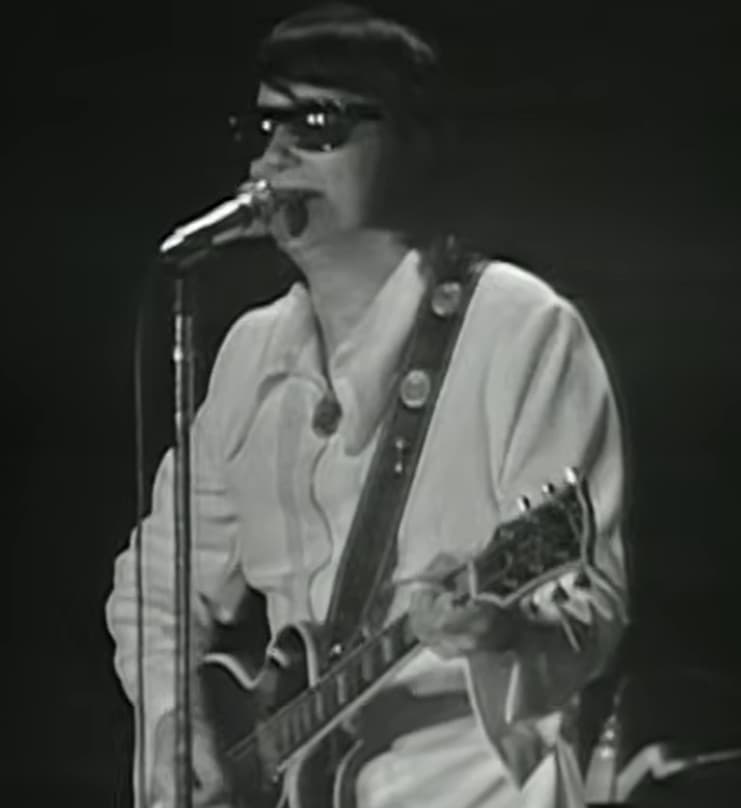
The 1972 Australian live performance is particularly fascinating when viewed through the lens of Orbison’s career. By then, he was no longer the young chart-climber who had first recorded the song a decade earlier. Instead, he performed it as a seasoned artist carrying the weight of experience, loss, and triumph. The years added depth to the lyrics. What once sounded like youthful romantic anticipation could now be heard as something broader—a reflection on memory itself, on the dreams we carry long after life has taught us how fragile they can be.
More than sixty years after its release, “Dream Baby (How Long Must I Dream)” remains a testament to Orbison’s rare ability to make vulnerability sound majestic. It is a song about romantic longing, certainly, but it is also about the human habit of reaching beyond the present moment toward a vision of happiness just over the horizon. In the hands of Roy Orbison, even a simple dream becomes something unforgettable: a melody suspended between hope and heartache, forever asking a question that never truly grows old.