
A restless devotion to freedom, desire, and the women who live beyond the reach of ordinary love
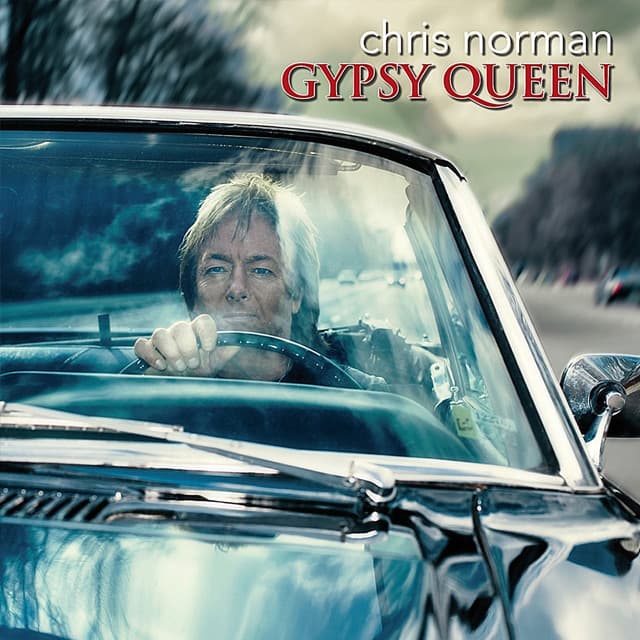
Released during Chris Norman’s early solo years after his departure from Smokie, Gypsy Queen stands as a quietly enduring piece of his catalogue, valued more for atmosphere and emotional pull than for chart dominance. The song emerged from his mid 1980s solo period and is most closely associated with the album Different Shades, a record that reflected Norman’s effort to step beyond radio friendly soft rock and toward a more personal, road worn voice. While Gypsy Queen did not become a defining hit on the major charts upon release, it found steady life through European airplay, compilations, and the loyalty of listeners who followed Norman beyond his commercial peak.
At its core, Gypsy Queen is not a literal portrait but a romantic archetype. The woman at the center of the song is freedom itself, elusive, self ruled, impossible to possess. Norman sings not as a conqueror but as a witness, drawn to someone whose power lies in her refusal to be fixed in place. This theme fits naturally within his post Smokie writing, where longing often replaces certainty and desire is tinged with resignation.
Musically, the song leans on restrained drama rather than spectacle. The arrangement favors steady rhythm, melodic guitar lines, and Norman’s unmistakable husky tenor, a voice already seasoned by years of touring and personal reinvention. He does not oversell the emotion. Instead, he allows space for suggestion, trusting the listener to recognize the ache beneath the surface. This restraint is precisely what gives Gypsy Queen its staying power. It feels lived in, not performed.
Lyrically, the song explores a familiar but timeless conflict. The pull between wanting someone and understanding that love does not always mean possession. The narrator knows the cost of chasing such a figure, yet cannot resist the spell. There is admiration without illusion, attraction without false hope. In this sense, Gypsy Queen aligns with classic folk and rock traditions, where wandering spirits symbolize truths that polite society avoids.
Within Chris Norman’s broader body of work, the song captures a transitional moment. It reflects an artist stepping away from chart formulas and toward mood, texture, and emotional honesty. That may explain why it resonates more deeply now than it did at the moment of its release. Time has stripped away expectations, leaving only the song’s quiet confidence and romantic fatalism.
Gypsy Queen endures because it does not chase resolution. It understands that some loves are meant to be felt, not kept, and that freedom itself can be the most unforgettable companion of all.