
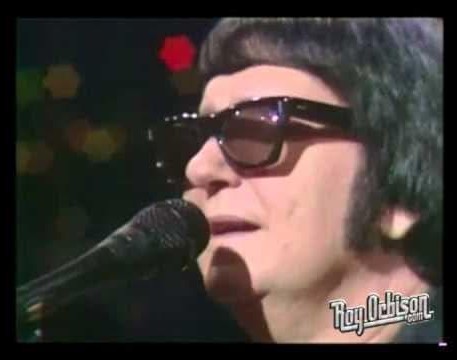
Playful disguise for loneliness where swagger becomes a shield against the quiet after the crowd goes home
When Roy Orbison released Hound Dog Man in nineteen sixty nine, it arrived as a modest but visible presence on the American pop charts, signaling a late era single that still found commercial footing. The song was drawn from the album Many Moods of Roy Orbison, a record that openly announced its intention to showcase emotional range rather than chase a single dominant sound. By this point in his career, Orbison was no longer defined solely by chart supremacy. Instead, he occupied a rarer space, that of a respected voice whose releases were followed for their emotional authority as much as their numerical success.
At first glance, Hound Dog Man feels almost mischievous within Orbison’s catalog. The tempo is brisk, the guitar lines strut with confidence, and the vocal performance leans into humor and bravado. Yet this surface energy masks a deeper continuity with Orbison’s lifelong themes. He often sang about isolation, longing, and emotional vulnerability, even when wrapped in theatrics. Here, the narrator presents himself as a carefree drifter, a man who moves from place to place, unburdened by commitment. But Orbison’s phrasing tells another story. The voice carries a knowing weight, suggesting that this freedom is less a triumph than a necessary pose.
The concept of the hound dog man taps into a long American musical archetype. He is the wanderer, the womanizer, the restless soul who refuses to be tied down. In Orbison’s hands, this figure becomes quietly tragic. Unlike traditional rock and roll bravado, there is no real celebration here. The narrator keeps moving because stillness would require reflection. Orbison’s distinctive tenor, even when playful, carries an undertone of ache. Each confident declaration sounds slightly overcompensated, as though the singer is convincing himself as much as the listener.
Musically, the track reflects Orbison’s willingness in the late sixties to engage more directly with contemporary rock textures. The arrangement is leaner than his early operatic ballads, driven by rhythm rather than orchestral swell. Yet his voice remains unmistakable, soaring effortlessly above the groove. This contrast reinforces the song’s tension. A modern, almost casual musical backdrop supports a vocal delivery shaped by years of emotional storytelling.
Within Many Moods of Roy Orbison, Hound Dog Man plays a crucial role. It lightens the album’s emotional palette while also deepening it. By presenting loneliness through humor and swagger, Orbison expands his emotional vocabulary. He proves that sadness does not always announce itself with tears or dramatic crescendos. Sometimes it wears a grin, keeps moving, and calls itself free.
Over time, Hound Dog Man has endured not because it represents Orbison at his most famous, but because it reveals him at his most human. It captures a seasoned artist reflecting on identity, performance, and self protection. Beneath the playful rhythm and confident posture lies a familiar Orbison truth. Even the loudest independence can echo with solitude when the song finally fades.