
A quiet plea for meaning that rises from the stillness of ordinary life
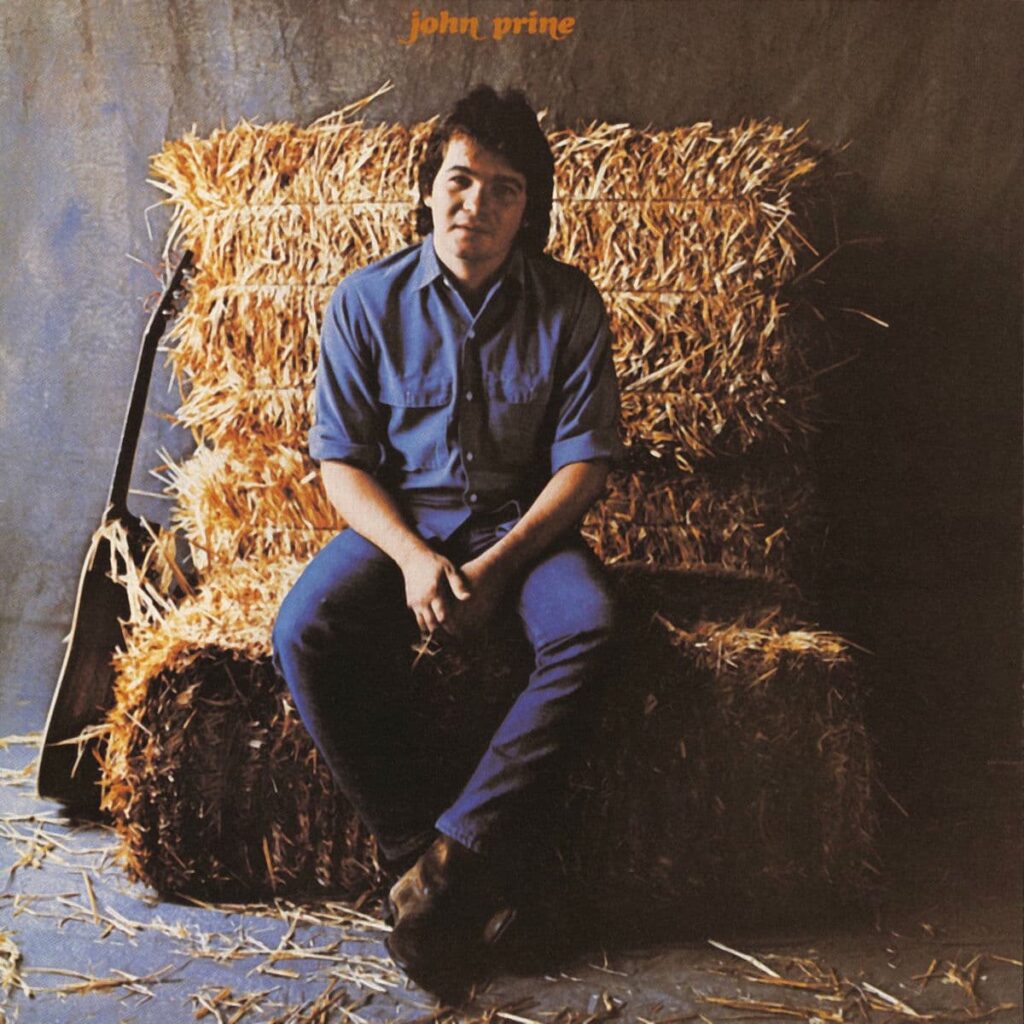
In 1971, John Prine introduced Angel From Montgomery on his self-titled debut album John Prine, a record that announced a singular new voice in American songwriting. Although the song never charted on release, it quickly distinguished itself as one of the album’s emotional pillars, a piece that critics and fellow musicians recognized as unusually mature for a young writer just beginning his career. Its early impact came not through commercial numbers but through its resonance among artists who would later cover it, carrying the song far beyond its modest origins and securing its place as one of Prine’s most enduring works.
At its core, Angel From Montgomery is a portrait of longing rendered with the precision of lived experience. Prine writes from the perspective of an older woman who feels the years gathering around her, her dreams folded into the routines of domestic life. This choice of narrator reflects Prine’s remarkable empathy and observational depth. He once explained that the image that sparked the song was the simple phrase “a middle aged woman who feels older,” and from that seed he built a work of striking emotional nuance. The song does not offer a dramatic storyline or a climactic revelation. Instead, it lingers in the quiet ache of daily existence, in the moments between chores and conversations, where reflection becomes a kind of private rebellion.
The lyrical structure moves like a confession whispered across a kitchen table. Lines reach for escape through memory and imagination, and the repeated request for “an angel that flies from Montgomery” becomes a symbol of deliverance from a life that seems to have settled into stillness. Prine’s genius lies in how he grounds this longing in everyday imagery. The clutter of a household, the fading light of late afternoon, the presence of a partner who seems distant even when near: these details give the song its emotional weight. They transform the narrator’s longing from abstract desire into something painfully familiar to anyone who has felt youth slipping away faster than possibility can replenish it.
Musically, the simplicity of the composition deepens the song’s intimacy. The gentle guitar lines create a frame that allows the lyrics to rise with unadorned clarity. There is no need for dramatic flourish because the emotional power resides in the truthfulness of the words. This understated approach is one reason the song has become a favorite among interpreters. Artists like Bonnie Raitt helped bring the piece to wider attention, recognizing in it a rare combination of narrative precision and emotional openness.
The cultural legacy of Angel From Montgomery continues to grow because it speaks with humility and honesty. It is a song about the unremarkable moments that become the foundation of a life, and about the quiet yearning that persists even in the most ordinary spaces. Prine offered listeners a way to understand longing not as despair but as a testament to the human instinct for something more.