
A CALM REMINDER OF CHRISTMAS LONG AGO
The glimmer of hope, the hush of reverence, the quiet wonder of a night that changed everything.
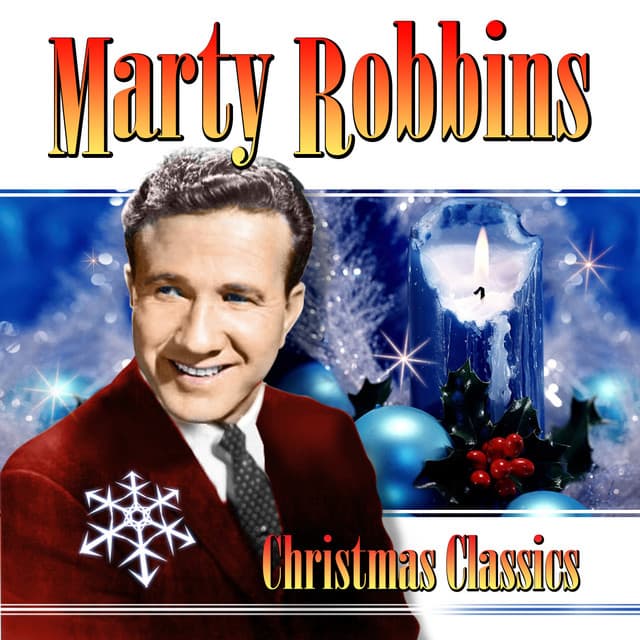
When Marty Robbins released Many Christmases Ago as part of his 1967 album Christmas with Marty Robbins, he offered a gentle, solemn carol that stood apart from the crowded field of festive jingles and novelty seasonal songs. The album followed Robbins’ established pattern of storytelling and emotional depth. Though this record did not yield a runaway country-chart single — and “Many Christmases Ago” was not promoted as a major single — its inclusion in the holiday collection underlined Robbins’ artistic commitment to sincerity and timelessness rather than commercial flash.
In the catalogue of Robbins’ work, Christmas with Marty Robbins arrives during a period when he was experimenting beyond his well-known Western ballads, embracing spiritual and nostalgic themes with orchestral arrangements, choral backing, and a refined “Nashville Sound” production.
In Many Christmases Ago Robbins revisits the sacred night of a birth that reshaped hope for the world. The lyrics evoke the ancient scene — shepherds watching under starlight, angels proclaiming tidings of joy — and then gently ask the listener to recognize that same birth in their own heart today.
The song carries no bombast. There is no grand sweep of bells or bombastic orchestration. Instead, the arrangement is understated — soft guitar, subtle choir harmonies, and Robbins’ clear, measured tenor voice. The simplicity of the musical setting becomes a strength: it reflects the humility of that stable long ago and invites introspection rather than spectacle. What could have been a dramatic retelling instead becomes a moment of quiet reflection.
In its lyrical and musical restraint, the song becomes more than a recounting of biblical narrative. It becomes a bridge across time. Listening to the opening lines — “There were shepherds in the field that night and they saw a star that shone so bright” — we are invited to travel, in imagination, across centuries, to stand in that field under the cold sky. Then, as the melody settles and the chorus repeats “many, many Christmases ago,” the listener realizes they are not just hearing a story from long ago but receiving an invitation: to let that birth live again in the heart, to offer gifts of compassion and goodwill in their own time.
In the larger arc of Robbins’ career, this song — and the album it belongs to — may not have dominated the charts. But it demonstrates a deep empathy and a mature understanding of what holiday music can be: not commercial background noise, but a vessel for reflection, memory, and spiritual longing.
For those who approach it not with seasonal cheer but with reverence, Many Christmases Ago remains a quiet testament to faith, humility, and the enduring power of remembrance.