
A LONELY VOYAGE BACK TO THE ISLAND WHERE LOVE WAITED
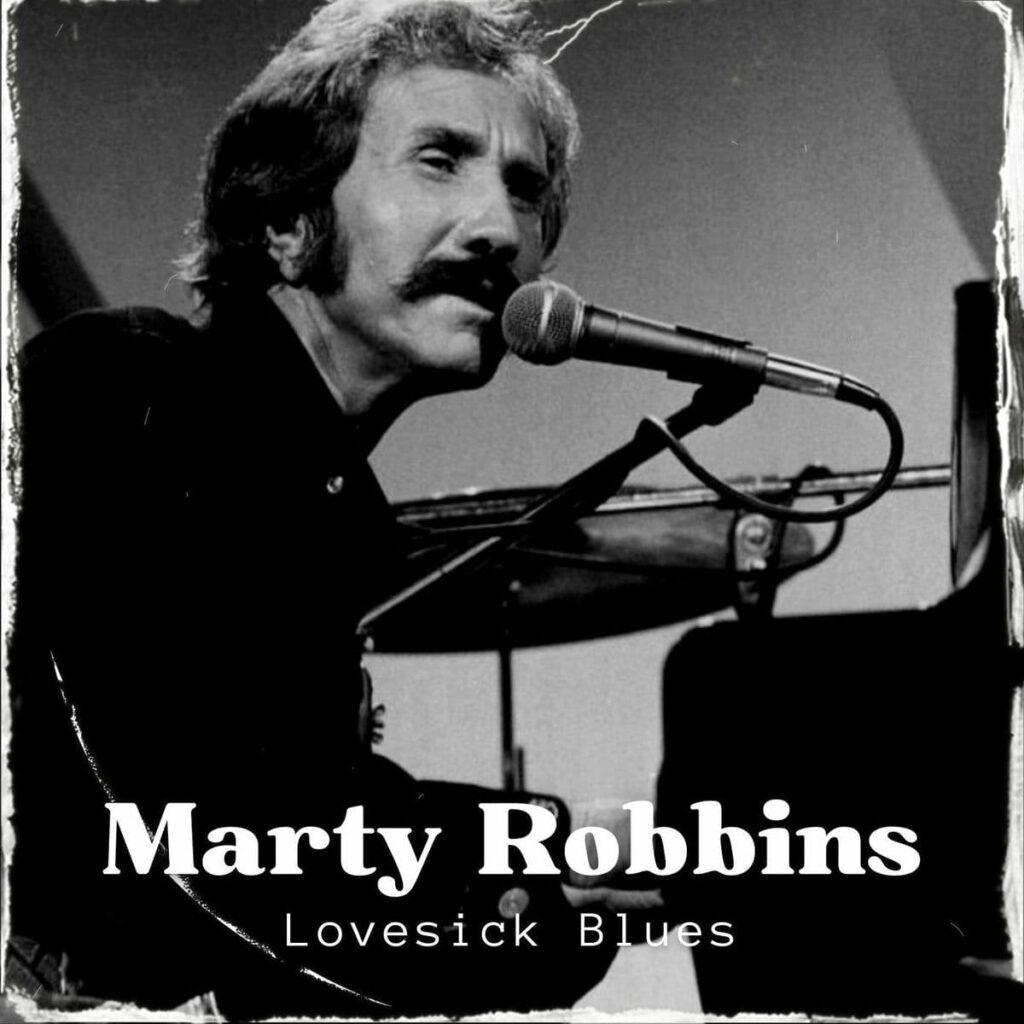
In 1964 the American country‑western troubadour Marty Robbins released Native Girl on his album Island Woman, offering a tender, wistful canto for longing and return. Though “Native Girl” did not attain the chart‑topping status of some of Robbins’ more famous hits, it remains a quietly evocative gem — a testament to Robbins’ versatility and his willingness to wander beyond the rugged landscapes of his celebrated cowboy ballads.
In the opening chords and gauzy verses of “Native Girl,” one senses not just a simple love song but a wistful promise — of homecoming, of vows, and of a love tested by distance and time. Robbins sings of a “dark‑eyed native girl” awaiting him on an island where tropical breezes carry memory and melancholy. The lyrics speak with honest simplicity: the salt air, the tear stains left behind when he sailed away, the pledge to return.
While there is scant public documentation about the exact inspiration behind the song, “Native Girl” fits naturally within a quieter, more romantic strand of Robbins’ mid-1960s work — one that absorbed Caribbean and island‑tinged rhythms, Caribbean‑inspired instrumentation, and lyrical impressions of far‑off places. The “Island Woman” album captures this mood with gentle acoustic guitar, soft percussion, and a subtle world‑music inflection that departs from the dust‑choked trails of his Western epics.
Ultimately, the power of “Native Girl” resides in its emotional sincerity. Robbins does not dramatize heartbreak with gunfire or dramatic showdowns. He trades those for longing and memory, for the ache of distance and the hope of reunion. His voice — already capable of painting vivid frontier landscapes — here becomes a vessel of longing carried over waves. The repeated chorus, with lines like “Native girl loves me I know … Native girl I’m missin’ so … Native girl I must return,” carries both determination and vulnerability.
In the broader arc of Robbins’ career, “Native Girl” stands as a reminder that the man who wrote sweeping Western ballads could also turn inward — crafting songs of solitude, yearning, and gentle promise. It reveals a softness beneath the outlaw bravado, a longing beyond the saloon doors, a commitment deeper than any gunfighter’s oath. Though it never scaled the charts, its emotional gravity makes it worthy of preservation in the vaults of country music’s quieter treasures.
For those who listen with heart attuned to absence and hope, “Native Girl” remains a voyage — not of horses and guns, but of memory and longing. A song that waits patiently for a return.