
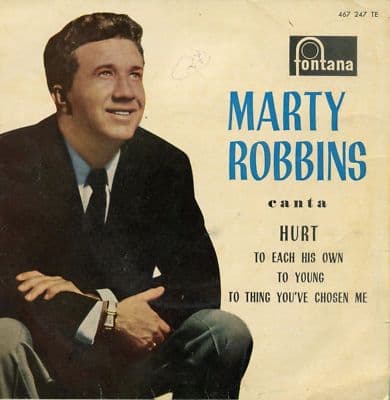
A meditation on dignity in love, where acceptance becomes the quietest form of devotion.
Released during the late nineteen fifties, To Each His Own by Marty Robbins arrived as part of his continuing exploration of pop and traditional standards, appearing on the album More of Marty Robbins. While it did not dominate the charts in the way his western epics would soon do, the recording found a steady and respectful audience, reinforcing Robbins’ reputation as a vocalist capable of emotional restraint as well as dramatic flourish. Positioned within an era that favored grand romantic declarations, this song stood apart by choosing grace over insistence.
At its heart, To Each His Own is a song about emotional maturity. Rather than pleading for love or lamenting betrayal, the narrator accepts the unchangeable truth that affection cannot be forced. Robbins approaches the lyric not as a wounded man, but as one who understands the boundaries of the human heart. This perspective was unusual even then. Popular music often framed love as conquest or tragedy. Here, love is treated as personal truth, different for every soul, deserving of respect even when it leads away.
Robbins’ vocal performance is a study in controlled tenderness. He does not oversell the pain. Instead, he allows space between phrases, letting silence carry as much meaning as the words themselves. That restraint gives the song its power. The listener senses disappointment, but also a quiet pride. This is not a man broken by rejection. It is a man who has chosen dignity over despair.
Musically, the arrangement supports this emotional posture. The instrumentation remains understated, with gentle orchestration that never overwhelms the vocal line. The melody unfolds patiently, mirroring the song’s philosophy that acceptance is not sudden, but earned through reflection. Robbins’ phrasing leans into the natural cadence of spoken thought, making the performance feel intimate, almost confessional.
What gives To Each His Own its lasting resonance is its universality. The song does not anchor itself to a specific moment, place, or dramatic event. Instead, it addresses an experience most listeners eventually face. Loving someone who cannot return that love in the same way. Robbins offers no bitterness, no moral judgment. He simply acknowledges that emotional truths differ, and that understanding this difference is a mark of adulthood.
Within Marty Robbins’ broader catalog, the song reveals an often overlooked side of his artistry. Before the gunfighters and desert ballads, there was a singer deeply attuned to emotional nuance. To Each His Own stands as a reminder that Robbins was not only a storyteller of the American frontier, but also a thoughtful interpreter of the human heart. For listeners who return to classic records seeking wisdom as much as melody, this song remains quietly profound, aging not as nostalgia, but as lived experience pressed into vinyl.