
The Private Sorrow of a Broken Heart That Only the Stars Bear Witness To
There are songs that simply drift across the decades, pleasant echoes in the vast canyon of popular music, and then there are the select few—the true, heartbreaking ballads—that become a permanent, aching part of the soul’s soundtrack. “No One Will Ever Know,” as recorded by the incomparable Roy Orbison, is one such masterpiece, a jewel of quiet despair on his classic 1963 album, In Dreams. Interestingly, while the album itself was a massive commercial success, this particular track was not released as a charting single in its own right at the time. Its inclusion on the album, produced by the legendary Fred Foster on the Monument Records label, was more a testament to its enduring quality and its perfect fit within the emotional landscape Orbison was crafting in the early 1960s—a landscape that gave us hits like “Running Scared” and “Crying.”
A Whisper of Yesteryear and a Deep Country Root
The lack of an initial high-profile chart position in 1963 does little to diminish the song’s importance; in fact, it enhances its mystique as a true album cut cherished by those who bought the record. The song itself is not an Orbison original, but a testament to his genius for interpretation. It was penned by the formidable country songwriting duo of Fred Rose and Mel Foree. It was originally a standard of the genre, famously associated with the great Hank Williams, who released it posthumously in 1957, and had also been recorded by the likes of Tony Bennett and Marty Robbins. This history anchors Orbison’s version in the deep, melancholic tradition of country and western music, a profound connection often overlooked by those who only focus on his rock-and-roll pedigree.
The story behind the lyrics is a simple, yet utterly universal one: the profound, internal agony of a person putting on a brave face while living a lie. It is the narrative of a man who must go on, living his life, smiling for the world, pretending he’s moved on from a lost love, yet knowing in his secret, quiet moments that the pain is still raw and present. The heartbreaking core of the song lies in its title—the complete, solitary nature of the grief. “No one will ever know / How much I miss you”—these lines aren’t a performance for sympathy; they are a private, silent vow of suffering.
Orbison’s Voice: The Cry of an Angel Falling Backward
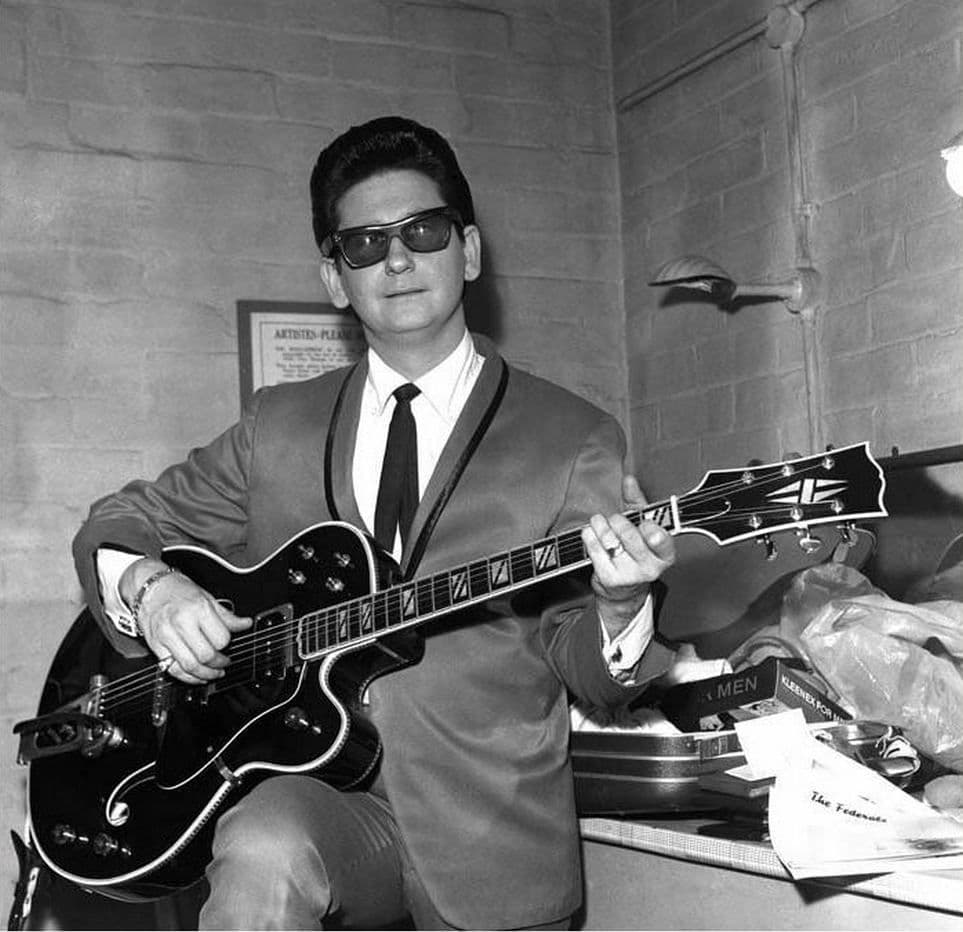
When Roy Orbison wraps his voice around this material, its meaning is amplified tenfold. The song moves from a mere country lament to a sweeping, dramatic ballad that utilizes his signature operatic tenor. At a time when rock and roll demanded swagger and confidence, Orbison presented vulnerability and profound sorrow, standing perfectly still in his dark glasses, letting his voice do the emotional heavy lifting. His voice here, backed by the lush, restrained orchestration typical of his Monument recordings, doesn’t just sing the words; it embodies the desolation. You can hear the struggle in the vibrato, the loneliness in the soaring falsetto. It’s the sound of a man who is actively choosing to hide his pain, but whose soul cannot keep the secret.
For those of us who came of age with this music, the introduction to “No One Will Ever Know” is a vivid flash of memory. It’s the echo of a slow dance under soft lights, or the quiet moment in a darkened room with a radio glowing. This song, and many others like it, provided the emotional vocabulary for a generation that often struggled to express such deep feelings. It was a gentle but powerful reminder that the most significant battles—the battles with heartbreak and memory—are often the ones fought entirely within, known only to the silent stars and, of course, the Big O, the mysterious man in black who sang our secrets to the world. It’s an intimate, reflective piece that captures the dignity in private sorrow, a timeless quality that ensures its resonance long after the charts have forgotten its existence.