
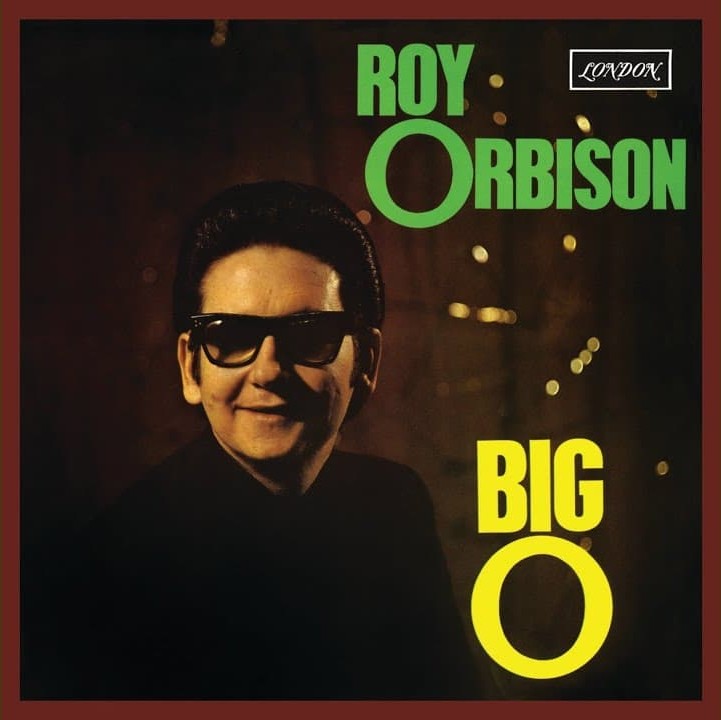
A quiet vow set to velvet shadows, where devotion speaks louder than spectacle
Released in 1965, This Is Your Song by Roy Orbison emerged as a restrained yet deeply affecting statement within his catalog, entering the Billboard Hot 100 during a period when Orbison’s voice was already synonymous with emotional gravity. The song appeared on the album There Is Only One Roy Orbison, a record that found the singer refining intimacy rather than chasing the operatic crescendos that had made his earlier hits monumental. In an era dominated by bold singles and cultural upheaval, this song chose a softer entrance, and that choice remains central to its enduring resonance.
What distinguishes This Is Your Song is not narrative drama but emotional intent. Orbison does not perform heartbreak here. He offers something rarer in popular music of the time: devotion without desperation, love without spectacle. The lyrics read like a private promise, framed as a gift. The title itself is an act of humility, placing the subject ahead of the singer, ahead even of the performance. In Orbison’s hands, the song becomes less a declaration than an offering, an intimate moment preserved in melody.
Musically, the arrangement is understated, allowing Orbison’s voice to do what it did best when unburdened by excess. His tenor, famous for its range and ache, is controlled here, almost conversational. There are no sudden eruptions, no theatrical turns. Instead, the song unfolds with patience, supported by gentle orchestration that suggests closeness rather than grandeur. This restraint is intentional. It mirrors the lyrical message, reinforcing the idea that true feeling does not need to announce itself loudly.
Within Orbison’s broader body of work, This Is Your Song occupies a reflective space. While many of his classics explore loss, longing, or romantic tragedy, this piece lingers in a quieter emotional register. It represents a moment where love is not imagined as fragile or fleeting, but as something steady and given freely. That perspective adds depth to Orbison’s legacy, reminding listeners that his emotional vocabulary extended far beyond sorrow.
Culturally, the song may not command the same immediate recognition as his chart defining anthems, but its influence lies in its subtlety. For listeners willing to lean in, it offers a masterclass in emotional economy. The absence of melodrama becomes its strength. Over time, the song has grown in stature among devoted listeners, valued for its sincerity and its refusal to conform to pop expectations.
The 2015 remaster only sharpens these qualities. The clarity brings Orbison’s voice closer, making the listener feel less like an audience and more like the intended recipient. In that sense, This Is Your Song continues to fulfill its promise. It remains personal, timeless, and quietly profound, a reminder that some of the most powerful moments in music are spoken softly and meant for just one heart at a time.