
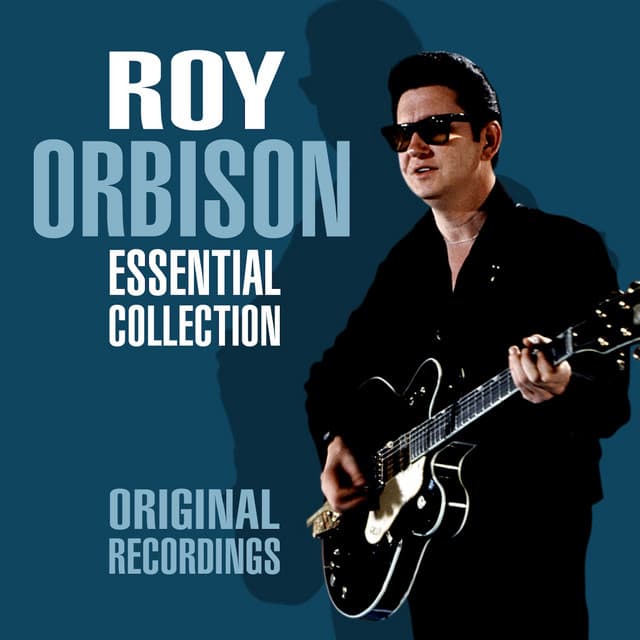
A WEDDING DAY TURNED TO ASH: LOVE’S GREAT BETRAYAL
The song “Wedding Day” by Roy Orbison first appeared in 1962 on his album Crying. Though it was not released as a flagship single — overshadowed by giants such as “Crying” (which peaked at No. 2 on the Billboard Hot 100) and “Running Scared” (which reached No. 1) from the same album. — “Wedding Day” remains a quiet, aching gem in Orbison’s catalog, a small but potent testament to heartbreak.
In the hush after the flourish of fanfare and high-charting hits, “Wedding Day” creeps forward almost whispering — and in that whisper lies its power. The song does not boast grand orchestral swells or flamboyant vocal gymnastics. Instead, it offers something far more intimate: a lonely narrator, stripped of pride, confronted with the shattering collapse of what should have been the culmination of love. Lines like “There I watch you walk away, this was to be our wedding day” and “I won’t hear the choir sing while I hold your golden ring” conjure the image of a groom standing alone at the altar, the ceremony unwritten and the future erased.
The lyrical weight of “Wedding Day” lies not only in its sorrow but in its symbolism. The “golden ring,” emblematic of promises and eternity, becomes a relic too heavy to bear — something to be discarded along with dreams of union. That ring, once the anchor of a shared future, turns meaningless in the silence of betrayal. The repetition of watching the beloved walk away underscores not a moment of anger or confrontation, but a slow, agonizing realization of irrevocable loss. As the narrator admits: “Who was right and who was wrong makes no difference when you’re all alone.” In that resignation resides the true tragedy: all inner conflict rendered moot by the crushing loneliness that follows goodbye.
Musically, “Wedding Day” lives in the melancholic simplicity that early 1960s pop ballads often favored. The structure carries a delicate fragility as if every chord, every note, trembles under the burden of heartbreak. The gentle instrumentation — a quiet guitar picking, a soft undercurrent of rhythm — allows Orbison’s voice to rise unadorned, raw, wounded. This restraint makes the emotional weight of the words all the more powerful; there is nowhere to hide behind orchestration, no dramatic build‑up, only the stark reality of a soul crumbling.
In the broader arc of Orbison’s career, “Wedding Day” occupies a peculiar space: uncelebrated, seldom discussed, but deeply resonant. It lacks the fame of “Crying” or the operatic drama of later hits such as “It’s Over,” yet it captures a form of heartbreak that no bombast can replicate — the quiet collapse of hope, the solitary vigil after love’s collapse, the sudden emptiness where once lived dreams of tomorrow.
To listen to “Wedding Day” now is to step momentarily into that empty space. It is a pausing, a breath between notes, where the listener becomes the old friend, the silent witness to grief. In that space, the song’s true legacy endures: not as a chart-topping hit, but as a fragile, haunting reminder that sometimes the most devastating music is not the loudest — but the one that speaks softly to the part of us that remains unspoken.