
Portrait of Young Heartache Painted in the Glow of Teen Idolatry
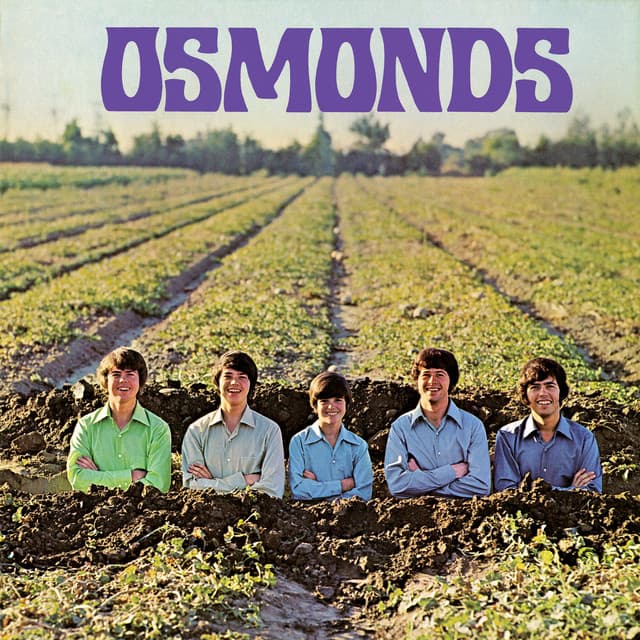
Released in 1971 at the height of Osmondmania, “Lonesome They Call Me, Lonesome I Am” by The Osmonds found its home on the group’s album Homemade, a record that leaned heavily into the polished pop sensibilities that had propelled the brothers onto the charts. Though not one of their towering, chart-topping singles, the song exists as a revealing deep cut from a period when the family quintet was navigating the fragile line between bubblegum exuberance and something more emotionally nuanced. In the wake of smash hits like “One Bad Apple,” the Osmonds were fixtures on international charts, their clean-cut image and harmonic precision defining an era of early ’70s pop optimism.
Yet within “Lonesome They Call Me, Lonesome I Am”, there is a curious undercurrent—a quiet melancholy that feels almost at odds with the bright sheen of their public persona.
The Osmonds, often characterized as paragons of wholesome cheer, were at this point refining a sound that blended Motown-inspired grooves with adolescent longing. What makes this particular song resonate is its unguarded embrace of loneliness—not as a passing mood, but as an identity imposed and then internalized. The title itself is cyclical, almost fatalistic. “They call me lonesome” suggests a reputation, a label affixed by others. “Lonesome I am” concedes that the label has settled into truth.
Musically, the arrangement is emblematic of early ’70s pop craftsmanship: buoyant rhythm section, clean electric guitar figures, and harmonies layered with meticulous care. There is an almost paradoxical brightness in the instrumentation, a sonic sunlight that contrasts with the shadowed sentiment of the lyrics. This tension is where the song finds its emotional gravity. The brothers’ harmonies—so often used to convey youthful exuberance—here function as a collective sigh. Their voices, particularly in the chorus, carry a plaintive edge that suggests the ache beneath the polish.
Lyrically, the song inhabits a familiar terrain of romantic abandonment, yet it avoids melodrama. Instead, it presents loneliness as a steady hum, a condition that has become woven into daily existence. The narrator is not raging against heartbreak; he is absorbing it. There is something quietly devastating about that acceptance. For a group whose image was so closely tied to teenage adoration and communal joy, this introspection feels almost subversive.
Contextually, Homemade arrived during a transitional period in pop music. The late ’60s idealism was giving way to the introspection of the singer-songwriter movement, and even teen idols were beginning to brush against more complex emotional palettes. While The Osmonds would later pivot toward harder-edged rock textures and more overt artistic self-definition, songs like “Lonesome They Call Me, Lonesome I Am” hint at that yearning for depth beneath the surface gloss.
In retrospect, the track stands as a small but telling artifact of its time—a reminder that even in the most effervescent corners of pop stardom, there was room for vulnerability. Beneath the synchronized smiles and perfectly pressed suits, there were young men grappling with the universal ache of being misunderstood, of feeling alone in the middle of applause. And in that admission, however softly sung, the song finds its enduring poignancy.