
When Harmony Met Storytelling, a Television Stage Became a Sanctuary for American Song
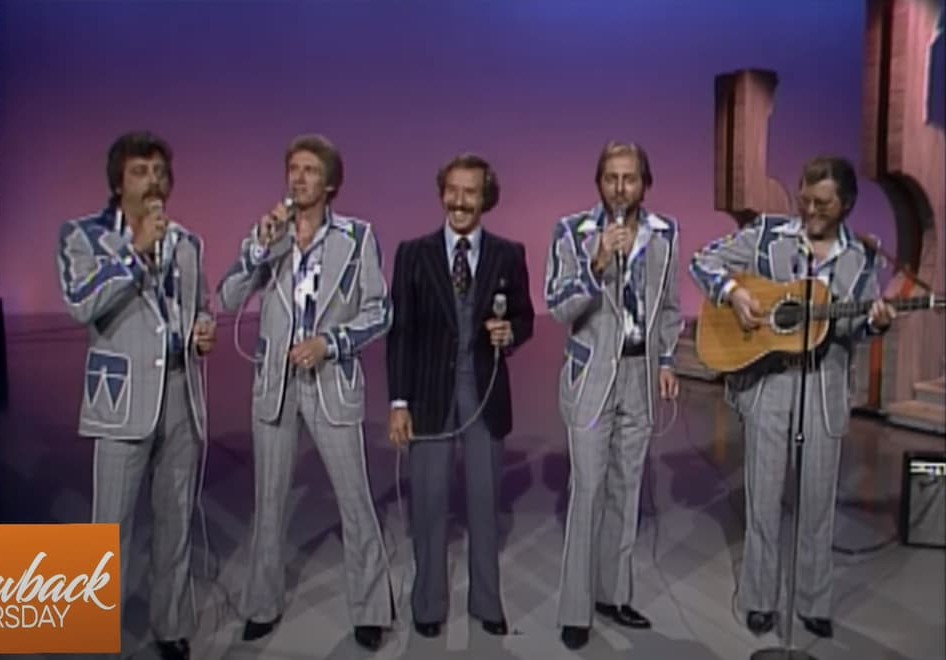
The collaborative appearance of The Statler Brothers with Marty Robbins on The Marty Robbins Show stands as one of those quietly historic moments that never needed chart numbers to justify its importance, even as both artists arrived with formidable credentials. By the time the show aired in the late nineteen sixties, Marty Robbins was a proven hitmaker with multiple country and crossover successes tied to albums like Gunfighter Ballads and Trail Songs, while The Statler Brothers were enjoying consistent chart presence of their own, soon to become one of country music’s most decorated vocal groups. The setting was television, not the Billboard listings, yet the cultural reach was immense, bringing two complementary traditions of country music into a shared living room experience.
At its core, The Marty Robbins Show was not simply a performance vehicle. It was a curated space where narrative songwriting, vocal harmony, and respect for tradition could coexist without commercial pressure. Robbins himself functioned less as a host and more as a storyteller in residence, inviting artists who understood that country music’s power lies in restraint and emotional clarity. The Statler Brothers fit that philosophy perfectly. Their harmonies carried gospel roots, rural humor, and a deep reverence for memory, themes that aligned seamlessly with Robbins’s own cinematic approach to song.
What made their combined performance so resonant was contrast without conflict. Robbins possessed a voice shaped by Western imagery and romantic fatalism, always sounding as though he was recounting events already etched into history. The Statlers, by comparison, sang as witnesses, their blend suggesting community rather than solitude. When they shared the stage, the result was not competition but balance. Robbins provided the lone rider’s perspective, while The Statlers supplied the chorus of collective memory, the voices of towns, churches, and front porches that his characters might have passed through.
Television flattened distance in a way radio never could. Viewers could see the ease between the performers, the lack of theatrical excess, the mutual respect communicated through posture and timing. This was country music before spectacle became expectation. No elaborate staging, no visual distraction. Just microphones, tailored suits, and songs allowed to breathe. The performance captured a moment when authenticity was assumed rather than advertised.
Historically, this collaboration also illustrates how country music functioned as a shared ecosystem. Robbins had already influenced a generation of artists who valued narrative depth, and The Statler Brothers would go on to define vocal storytelling for decades. Their meeting on television represents a passing of ethos rather than torch, a confirmation that the genre’s emotional grammar was intact.
Today, revisiting this performance feels like opening a well preserved record sleeve. The sound may carry the patina of its era, but the intent remains pristine. It reminds us that great country music does not demand novelty. It asks only for truth, discipline, and voices willing to serve the song. In that moment on The Marty Robbins Show, Marty Robbins and The Statler Brothers delivered exactly that, leaving behind not just a broadcast, but a quiet standard of excellence that still resonates for those who know how to listen.