
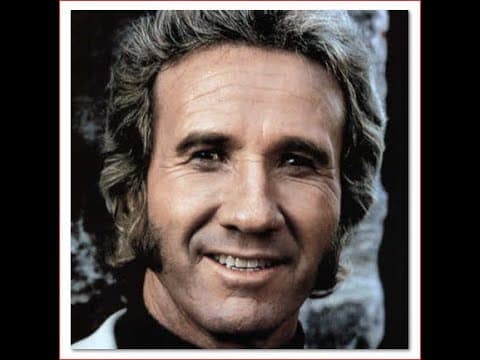
Quiet Confession, Where Tenderness Softens the Weight of Truth
Upon its release, I’m Not Blaming You by Marty Robbins appeared on the 1970 album My Woman My Woman My Wife, a record that marked one of the most reflective chapters in Robbins’s long career. While the song did not chart as a single, it lived within an album that reached listeners with remarkable strength, carried by Robbins’s mature storytelling and the emotional credibility he had earned over decades. This placement within a commercially successful and critically respected album gave the song a quiet yet enduring presence, one that listeners often rediscover as a hidden jewel within Robbins’s later period.
At its heart, I’m Not Blaming You unfolds like a letter written in soft twilight. Robbins shaped its emotional arc around the fragile terrain of regret, forgiveness, and personal responsibility. The song speaks from the perspective of someone facing the aftermath of heartbreak with unusual grace. Instead of anger or recrimination, Robbins leans into a gentler truth. The lyrics trace an emotional landscape where love has faded, yet dignity remains intact. This reflective tone aligns with the thematic direction of the entire My Woman My Woman My Wife album, which frequently explored the complexities of adult relationships and the cost of emotional honesty.
Robbins delivers the narrative with a calm and measured vocal style that seems almost whispered into the ear of the listener. The arrangement is understated, built around a warm blend of acoustic guitar, soft orchestration, and a rhythm section that moves with the slow certainty of a memory returning. The song’s simplicity is what makes it so powerful. There are no dramatic flourishes, no theatrical outbursts. Instead, Robbins relies on subtle dynamics and lyrical clarity, allowing each line to settle gently in the space between sorrow and acceptance.
The beauty of I’m Not Blaming You lies in its emotional restraint. Rather than framing love as a grand rise and fall, Robbins presents it as something deeply human, vulnerable, and imperfect. He gives voice to the quiet bravery required to let go without bitterness. That sense of mature reflection sets the song apart within the Robbins catalog. It suggests a man who has lived through enough of life to understand that blame is often a luxury of youth, while acceptance is the hard-earned gift of experience.
For listeners who return to the album today, the song stands as one of its most intimate moments. It invites reflection, not only on the relationships we lose, but on the manner in which we carry their memory. This is storytelling at its most patient and humane, shaped by Robbins’s unmistakable blend of tenderness and truth.