
A quiet reckoning with mortality shaped into one of Marty Robbins most contemplative ballads
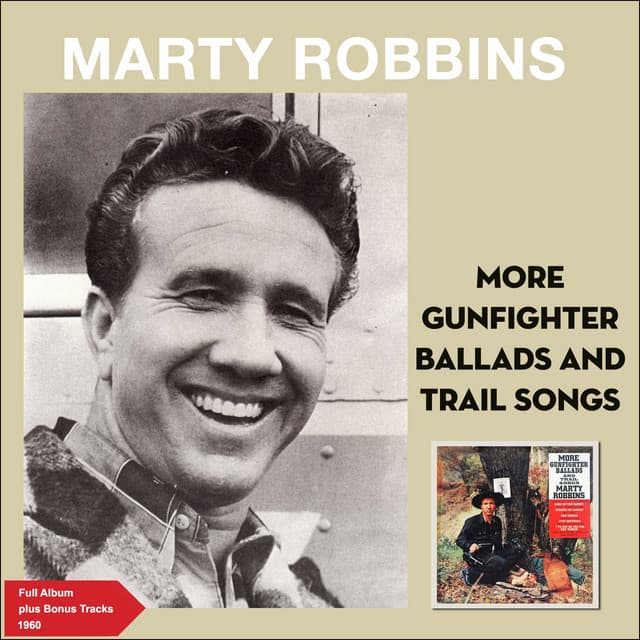
Released as part of Marty Robbins profound Western repertoire, This Peaceful Sod stands as a reflective cornerstone within his body of work. While it was never positioned as a major chart contender and did not rise within the commercial rankings that defined many of Robbins best-known releases, the song found its home on the album More Gunfighter Ballads and Trail Songs, the 1960 follow-up to his landmark collection. Within that context, it occupies a meaningful place in the evolution of Robbins narrative songwriting, tightening his focus on the moral stillness that often sits beneath violence, legend, and frontier memory.
At its heart, This Peaceful Sod is a meditation on death, remembrance, and the quiet dignity of the fallen. Robbins approaches the subject with the restraint of a seasoned storyteller who understands that the loudest truths in Western lore are often whispered rather than shouted. The song’s narrator stands before a grave, contemplating the end of a life once driven by ambition, conflict, or hope, and the lyric unfolds like a solitary prayer. Robbins leans into simplicity, letting each image sit untouched by embellishment: an unmarked mound of earth, a life reduced to stillness, and the listener’s own reflection on how quickly a man’s story can dissolve into the dust.
Musically, the arrangement mirrors this thematic austerity. Robbins favors a sparse, almost hymn-like structure that moves with the gentle cadence of a cowboy’s last ride. There is no flourish designed to command attention. Instead, the composition creates space for introspection. The acoustic textures feel almost ceremonial, shaping the song into a kind of frontier requiem in which the melody becomes a slow procession across the narrator’s memory.
The song’s emotional resonance is further strengthened by Robbins vocal performance. He sings not as a legend of the Western stage but as a quiet witness. His voice carries a softened timbre, acknowledging both the inevitability of loss and the small measure of grace that can still be found in the act of remembering. In this way, This Peaceful Sod extends beyond narrative storytelling and becomes a philosophical statement about mortality and humility. It reminds the listener that every life, no matter how large its ambitions or how fierce its conflicts, ultimately rests beneath the same quiet earth.
Within the broader cultural legacy of Robbins work, the song serves as a bridge between mythmaking and human truth. It reveals the artist’s deep respect for the emotional realities behind frontier tales. This Peaceful Sod does not dramatize the West. Instead, it considers the consequences of a life lived hard and the peace that may come after struggle. In doing so, it stands as one of Robbins most thoughtful reflections on how stories end and how memory continues to speak long after the rider has gone silent.