
Love on the brink, where doubt becomes the final enemy standing between two hearts
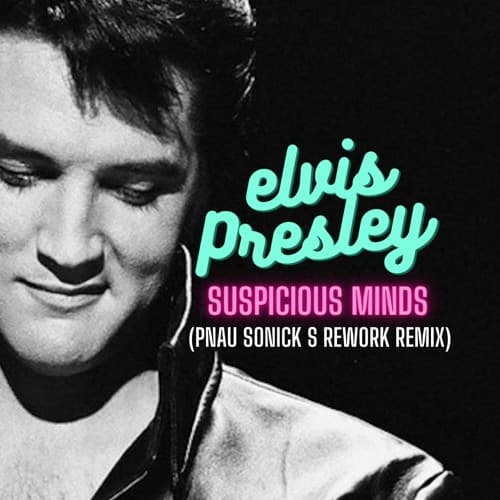
When Elvis Presley released Suspicious Minds in 1969, it was more than a comeback single. It was a cultural reckoning. Issued on the album From Elvis in Memphis, the song rose to number one on the Billboard Hot 100 and reached number two on the UK Singles Chart, marking Presley’s final US chart topper during his lifetime. In a career already crowded with defining moments, Suspicious Minds stood apart as proof that Elvis, newly returned from years of cinematic drift, could still speak directly to the emotional anxieties of a changing world.
Written by Mark James and recorded at American Sound Studio in Memphis under the guidance of producer Chips Moman, the song captured Presley at a crucial crossroads. This was not the carefree Elvis of early rock and roll, nor the polished movie star crooning harmless fantasies. This was a man confronting emotional fragility head on. The opening line wastes no time. “We’re caught in a trap.” It is a declaration, not a metaphor. From the first beat, the listener is locked inside a relationship poisoned by mistrust, where love still exists but is slowly suffocating under suspicion.
What gives Suspicious Minds its enduring power is the tension between desperation and restraint. Elvis does not rage. He pleads. His vocal performance is controlled yet strained, as if every line is pulled from somewhere just behind the ribs. The arrangement mirrors this unease. The circular bass line never quite resolves. The rhythm section pushes forward while the melody hesitates. Even the famous false fade out and sudden return near the end feels symbolic, like a relationship that pretends to end, only to collapse back into the same unresolved arguments.
Lyrically, the song avoids blame. There is no villain, only damage. “We can’t go on together with suspicious minds.” It is not an accusation. It is an observation. That distinction matters. The song understands that distrust is rarely born from cruelty. It grows from fear, insecurity, and past wounds left unhealed. In this way, Suspicious Minds feels deeply adult, addressing love not as fantasy, but as emotional labor that demands vulnerability.
Within Presley’s catalogue, the song also represents a reclamation of artistic authority. The Memphis sessions restored Elvis to an environment where his instincts mattered again. Surrounded by Southern soul musicians rather than Hollywood orchestras, his voice regained texture and urgency. The grit in his delivery suggests lived experience, not performance. That authenticity resonated with audiences who were themselves navigating an era marked by social upheaval, broken trust, and fading illusions.
More than five decades later, Suspicious Minds endures because it refuses easy resolution. The song does not promise reconciliation. It offers only a warning. Love cannot survive on doubt alone. In that unresolved ending lies its truth. Elvis does not escape the trap. He names it. And in doing so, he gave popular music one of its most honest meditations on love, fear, and the quiet damage of suspicion.