
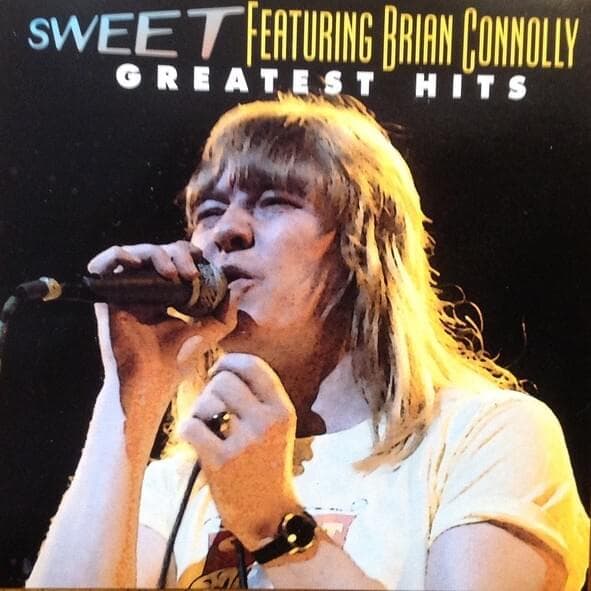
Fragile plea for patience and survival, sung by a voice already carrying the weight of everything it had endured.
Released in 1976, Wait Till the Morning Comes appeared during Brian Connolly’s brief and vulnerable solo period, issued as a single and later associated with his self titled solo album Brian Connolly. Emerging after his turbulent departure from Sweet, the song did not register as a major chart presence at the time of release, yet its commercial modesty conceals a far deeper significance. This was not a bid for reinvention through volume or spectacle. It was a quiet statement from an artist attempting to remain standing after the noise had faded.
By the mid nineteen seventies, Connolly’s voice was no longer the untouchable instrument that had fronted glam anthems like “Ballroom Blitz.” Years of relentless touring, physical injury, and personal strain had altered its texture. What Wait Till the Morning Comes captures is not decline, but transition. The song is built around restraint. Gentle phrasing. A melody that moves carefully, as if aware that pushing too hard might cause it to break.
Lyrically, the song functions as a nocturnal conversation. Darkness here is not theatrical. It is emotional and immediate. The night represents uncertainty, exhaustion, and the private fear that arrives when applause is gone. The repeated call to wait until morning is not merely romantic reassurance. It is survival language. Morning becomes a metaphor for endurance, for the belief that clarity and stability might return if one can simply make it through the present moment intact.
Connolly delivers the lyric with an almost conversational vulnerability. There is no bravado left to hide behind. Each line sounds earned, shaped by lived experience rather than performance instinct. This quality gives the song its quiet authority. He is not asking the listener to admire him. He is asking them to listen.
Musically, the arrangement avoids grand gestures. Soft keyboards, measured rhythm, and an unhurried tempo leave space for the voice to carry the emotional weight. The production reflects the era’s shift away from glam excess toward introspection, yet it never feels calculated. Instead, it feels like an artist allowing the song to exist at its natural emotional volume.
What makes Wait Till the Morning Comes endure is its honesty. It stands as one of the clearest windows into Connolly’s inner world during a period often summarized only by decline or misfortune. Here, he is neither icon nor cautionary tale. He is simply human. Tired. Hopeful. Still reaching for light.
In retrospect, the song functions as a quiet footnote that deserves to be read aloud. It reminds us that some records are not meant to conquer charts. They exist to tell the truth at a moment when truth is difficult to speak. In that sense, Brian Connolly left behind more than a solo single. He left behind a whispered reminder that sometimes the bravest thing an artist can do is ask us to stay until morning.