
A Farewell Song That Refuses to Collapse Into Bitterness
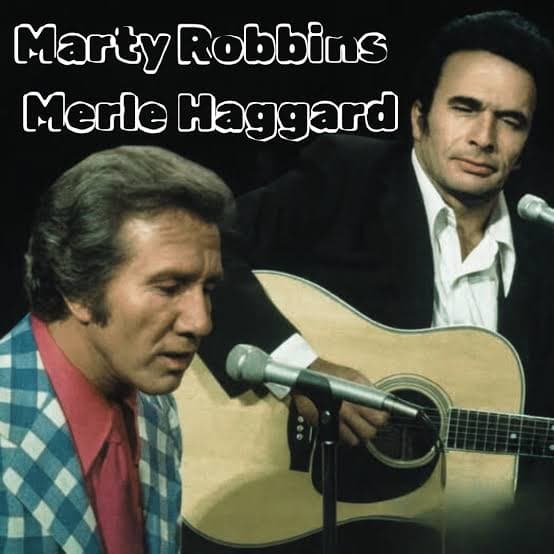
When Marty Robbins recorded “Don’t Worry ’Bout Me” during the early years of the 1960s, he was already one of country music’s most commanding voices, fresh from the massive commercial success of crossover hits like “El Paso.” Released during the same fertile creative era that produced the album More Greatest Hits, the song did not arrive with the thunder of a chart-conquering single, yet its quiet emotional authority gave it something more enduring than commercial spectacle. Years later, when Merle Haggard embraced the song in performance and interpretation, the composition took on an even deeper resonance: two masters of country music understanding heartbreak not as melodrama, but as resignation shaped by maturity.
What makes “Don’t Worry ’Bout Me” so remarkable is the restraint embedded inside its sorrow. Country music has never lacked songs about abandonment, but Robbins approached the subject differently. There is no revenge fantasy here. No accusation. No desperate plea for reconciliation. Instead, the narrator stands almost motionless inside the wreckage of a fading romance, speaking with the exhausted calm of someone who already understands that love obeys no human logic. “One day it’s warm, next day it’s cold” is not merely a lyrical observation; it is the philosophical center of the entire composition.
That emotional restraint is precisely why the song aged so gracefully.
Marty Robbins possessed one of the smoothest and most emotionally controlled voices in American music. He could dramatize a western ballad with cinematic grandeur, yet on “Don’t Worry ’Bout Me” he chooses intimacy over spectacle. His vocal phrasing feels conversational, almost fragile at times, as though he is trying not to disturb the silence surrounding him. The softness matters. Robbins understood that heartbreak often arrives not with shouting, but with quiet acceptance.
When listeners later heard Merle Haggard connected to the song, another layer emerged. Haggard’s artistry always carried the weight of lived experience: prison, poverty, survival, regret. Where Robbins sounded elegant and wounded, Haggard brought weathered realism. Together, their association with the song creates an extraordinary bridge between two schools of country music storytelling. One approached pain with velvet grace. The other approached it with dust on his boots and scars in his voice. Yet both understood the same truth: dignity can survive heartbreak.
Musically, the song also reflects a transitional moment in country music history. The production leans toward the Nashville sophistication developing at the time, but it never abandons the loneliness at the genre’s core. The melody drifts gently rather than demanding attention, allowing the emotional gravity of the lyrics to carry the performance. That balance between polish and vulnerability became one of Robbins’ defining strengths.
Decades later, “Don’t Worry ’Bout Me” remains powerful because it refuses emotional excess. It understands that the saddest goodbyes are often the kind spoken softly. No slammed doors. No dramatic final scene. Just one heart trying to comfort another while quietly breaking itself. In the hands of artists like Marty Robbins and Merle Haggard, that kind of sorrow becomes timeless.