
Sometimes the Brightest Journeys Begin as an Escape from Heartbreak.
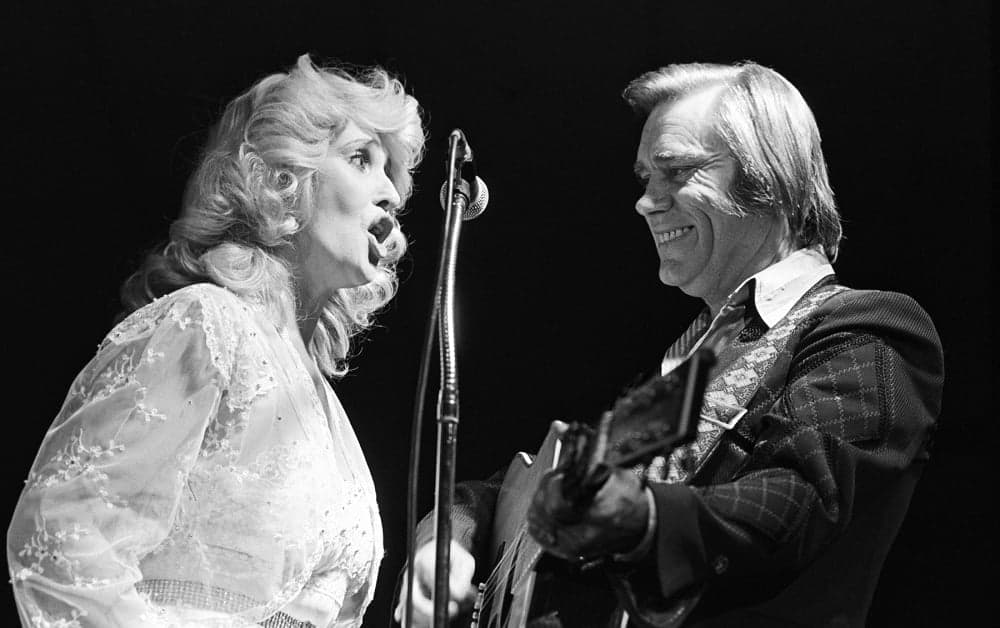
Among the many recordings associated with George Jones and Tammy Wynette, “Milwaukee Here I Come” occupies a fascinating place in country music history. The song was originally recorded by George Jones with Brenda Carter and released in 1968, climbing to No. 12 on the Billboard Hot Country Singles chart before later becoming closely identified with Jones and Wynette through their live television performances and concerts. It was subsequently included on George Jones’ 1969 album I’ll Share My World with You, an album that reached No. 5 on the Billboard Country Albums chart and captured Jones at one of the strongest creative moments of his Musicor years. Although many listeners instinctively associate the song with George Jones and Tammy Wynette, its enduring popularity owes as much to their remarkable chemistry on stage as to the original recording itself.
What makes “Milwaukee Here I Come” endure is not simply its lively tempo or its memorable chorus, but the emotional contradiction hidden beneath its cheerful exterior. On the surface, it is a playful duet about leaving town behind and heading toward a new destination. Yet beneath every line lies a familiar country truth: people rarely run toward somewhere new without first running away from something painful. That duality has always been one of country music’s greatest strengths—the ability to wrap disappointment in a melody that invites listeners to smile even while recognizing the ache beneath it.
The song’s conversational structure gives it an almost cinematic quality. Rather than presenting a solitary narrator lost in regret, it unfolds as a dialogue, allowing two voices to share anticipation, uncertainty, and quiet optimism. When George Jones and Tammy Wynette performed it together, their contrasting vocal styles transformed the composition into something even richer. Jones brought his unmistakable emotional gravity, every phrase sounding as though it carried years of hard-earned experience. Wynette answered with warmth and confidence, balancing vulnerability with determination. Together, they turned an already engaging country tune into a portrait of partnership—two people convincing themselves that tomorrow might finally be kinder than yesterday.
That sense of hope is central to the song’s lasting appeal. Unlike many classic country recordings that dwell almost entirely in heartbreak, “Milwaukee Here I Come” embraces movement instead of paralysis. The destination itself is almost symbolic. Milwaukee is less a geographical endpoint than an emotional promise—a place where disappointment might finally loosen its grip. In that respect, the title functions much like countless American road songs: the city represents possibility, while the journey becomes an act of emotional survival.
Musically, the arrangement reflects the polished yet authentic country sound emerging during the late 1960s. The steady rhythm section, bright steel guitar, and restrained instrumentation leave ample space for the vocals, emphasizing storytelling over spectacle. There is no unnecessary ornamentation. Every musical choice serves the narrative, reinforcing the feeling that this is not merely a performance but a conversation overheard between two people determined to believe in fresh beginnings.
The cultural legacy of “Milwaukee Here I Come” also reveals something important about George Jones and Tammy Wynette themselves. Long before they became country music’s most famous husband-and-wife duo on record, audiences were already captivated by the natural rapport they displayed while performing the song together. Their later collaborations would explore marital devotion, heartbreak, reconciliation, and resilience with extraordinary emotional depth, but “Milwaukee Here I Come” offers an early glimpse of the chemistry that would define an era. It reminds us that some songs are remembered not only because of how they were first recorded, but because of how gifted artists continued to breathe new life into them. More than half a century later, this spirited duet still feels like an invitation to keep moving forward—even when yesterday insists on following close behind.