
A playful warning dressed as innocence, where youth, temptation, and restraint quietly collide.
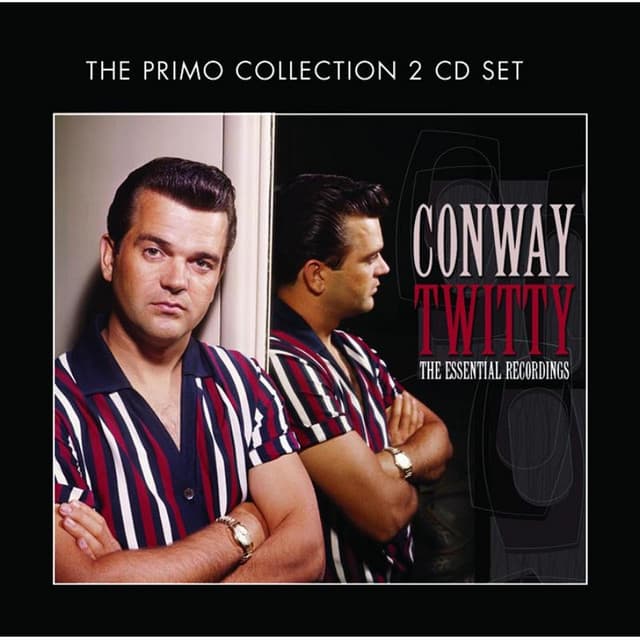
Released in 1959 as a non album single during Conway Twitty’s MGM Records rock and roll period, Hey Little Lucy (Don’t Cha Put No Lipstick On) arrived at a moment when Twitty was still navigating the space between teenage pop idol and the country storyteller he would later become. The record did not emerge as a major chart force upon release, yet it occupies an essential place in understanding the transitional arc of his early career, standing alongside other youthful singles that tested character driven narratives within a pop framework.
At its surface, Hey Little Lucy (Don’t Cha Put No Lipstick On) presents itself as a lighthearted plea, almost teasing in tone. Yet beneath that playful exterior lies a remarkably revealing portrait of postwar American innocence confronting its first cracks. The song speaks from the voice of someone watching childhood slip away in real time. Lipstick becomes more than a cosmetic detail. It is a symbol of awakening, of attraction, of a world that begins asking questions the song’s narrator is not yet prepared to answer.
Twitty’s performance is key to why the song endures beyond novelty. His vocal delivery carries a controlled urgency, not pleading in desperation but in recognition. There is a sense that the warning is already too late. This tension between restraint and inevitability runs quietly through the record, reflecting a broader cultural anxiety of the late 1950s when youth culture was rapidly redefining itself. Rock and roll was no longer simply entertainment. It was a marker of change, and Twitty, knowingly or not, was documenting that shift.
Musically, the song leans on a clean, upbeat arrangement that keeps the mood deceptively buoyant. The rhythm moves forward with confidence, reinforcing the idea that time itself cannot be slowed, no matter how earnestly one asks Lucy to stay as she is. This contrast between bright sound and uneasy subtext gives the song its lasting emotional resonance. It invites repeated listening not for complexity, but for clarity. The message is simple, yet uncomfortable. Growing up does not ask permission.
In retrospect, Hey Little Lucy (Don’t Cha Put No Lipstick On) feels like an early sketch of themes Twitty would later master in country music. The concern for emotional boundaries, the observation of love from a distance, and the understanding that desire often arrives before readiness. While the song belongs firmly to his rock and pop years, it foreshadows the empathetic storyteller who would one day dominate the country charts.
For listeners revisiting this record decades later, its power lies not in nostalgia alone, but in recognition. Everyone remembers a moment when innocence stood at the edge of transformation. Twitty captured that moment with remarkable restraint, leaving behind a quiet reminder that some changes, once seen, cannot be unseen.