
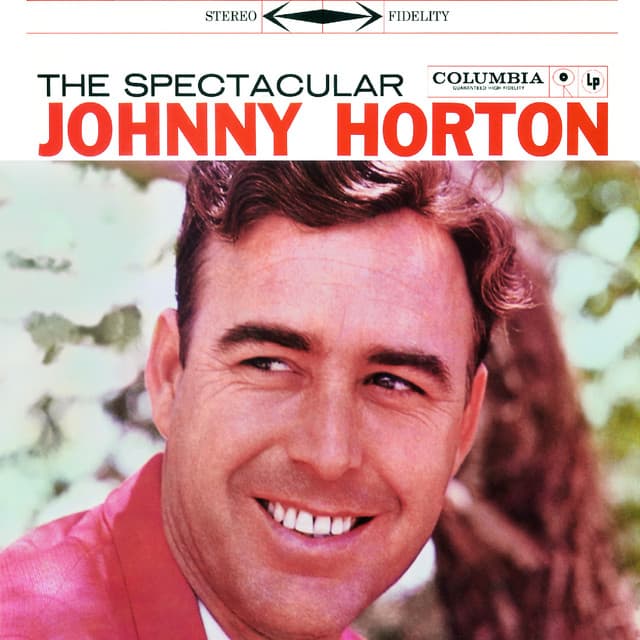
A rousing chronicle where history becomes melody and national memory is carried on a rolling folk cadence.
When Johnny Horton released The Battle of New Orleans in 1959, the song surged to number one on the Billboard Hot 100 and the country chart, anchoring its success on the album The Battle of New Orleans and earning a Grammy Award for Song of the Year. These facts matter because they frame the cultural moment in which the record landed. It was not merely a novelty hit or a passing patriotic flourish. It was a mass audience embracing a piece of American history retold with wit, swagger, and an irresistible sense of movement. Horton, already established as a master of historical storytelling in popular music, delivered a song that felt both educational and exhilarating, a rare balance that propelled it into the collective consciousness.
At its core, The Battle of New Orleans is a folk narrative that transforms a pivotal moment of the War of 1812 into a living, breathing performance. The lyrics recount the unlikely American victory over British forces with a voice that sounds less like a textbook and more like a seasoned storyteller leaning across a wooden table. Horton does not sing as a distant observer. He sings as if he were there, dust on his boots, musket smoke still hanging in the air. This immediacy is the song’s great strength. History becomes personal, even playful, without losing its sense of consequence.
Musically, the song draws from traditional folk structures, using a steady, marching rhythm that mirrors the advance of troops while remaining light enough to invite communal participation. The melody is simple and direct, designed for memory rather than virtuosity. This simplicity allows the lyrics to carry the weight, each verse unfolding another image of chaos, courage, and improbable triumph. Horton’s vocal delivery is confident and plainspoken, a deliberate choice that reinforces the idea that this story belongs to everyone, not just scholars or historians.
What elevates The Battle of New Orleans beyond novelty is its tone. There is humor in the phrasing, bravado in the imagery, and a subtle undercurrent of national pride that never tips into self seriousness. The song understands that legend often grows from exaggeration, and it leans into that tradition knowingly. In doing so, it captures how history is remembered in songs and stories, shaped as much by emotion as by fact.
Within Horton’s broader body of work, this recording stands as a defining statement of his artistic identity. He specialized in songs that dramatized American history, yet this one resonated most deeply because it arrived at a time when audiences were eager for narratives that reaffirmed shared identity through accessible art. Its lasting legacy lies in that accessibility. Decades later, the song still feels alive, still capable of summoning images of fifes, drums, and defiant resolve.
For the attentive listener, The Battle of New Orleans is more than a recounting of a military engagement. It is a meditation on how music preserves memory, how a three minute record can turn the past into something that sings back to us. In the grooves of this vinyl, history does not sit still. It marches, laughs, and endures.