
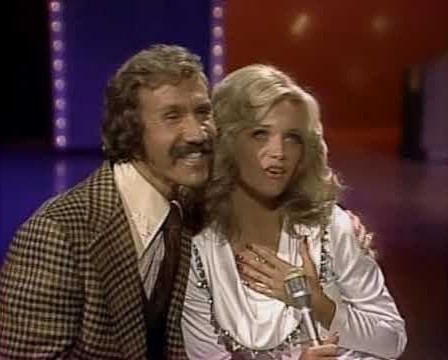
A meeting of generations and styles where country music becomes a living conversation carried through harmony, charm, and shared tradition
When Marty Robbins and Barbara Mandrell performed a medley of songs on The Marty Robbins Spotlight Show, the moment captured more than a simple television collaboration. It reflected a passing of tradition within country music itself. By the time of the broadcast, Marty Robbins was already firmly established as one of the genre’s most respected storytellers, celebrated for landmark recordings tied to albums such as Gunfighter Ballads and Trail Songs, while Barbara Mandrell was rapidly becoming one of country music’s most versatile and commercially successful modern performers. Their shared stage created a rare balance between classic narrative country and the polished entertainment energy reshaping the genre during the 1970s.
The medley format itself is significant. Unlike a single focused performance, a medley allows artists to move fluidly between moods, tempos, and emotional textures. In the hands of Robbins and Mandrell, this structure becomes more than entertainment. It becomes a showcase of country music’s emotional range. One moment rooted in tenderness, the next in humor or spirited rhythm, all connected through seamless performance chemistry.
What immediately distinguishes the performance is the contrast between the two artists’ approaches. Marty Robbins carried an unmistakable calmness, a storyteller’s composure shaped by years of interpreting songs with understated emotional authority. His presence was steady, almost cinematic, allowing each lyric to unfold with natural clarity. Barbara Mandrell, by contrast, brought movement and brightness. Her stage energy, vocal flexibility, and charismatic ease introduced a more contemporary television sensibility without diminishing the traditional roots of the material.
Together, they create a dynamic that feels remarkably balanced. Neither artist overwhelms the other. Instead, the performance becomes collaborative in the truest sense. Robbins anchors the emotional center, while Mandrell expands the atmosphere outward with vitality and charm. The result feels less like two stars sharing airtime and more like two musicians genuinely enjoying the exchange of performance itself.
Musically, the medley reflects the craftsmanship of classic country television production. The live band arrangements remain polished yet unobtrusive, supporting the transitions between songs without interrupting the flow. Instrumentation retains traditional country textures while allowing room for the variety-show warmth that defined programs of the era. The pacing moves naturally, avoiding the rushed fragmentation that medleys can sometimes create.
Vocally, the performance highlights the adaptability of both artists. Marty Robbins demonstrates his remarkable ability to move between emotional registers while maintaining composure and clarity. Barbara Mandrell, meanwhile, reveals why she became such a dominant television personality. She possesses not only vocal talent, but an instinctive understanding of audience connection. Her performances feel inviting rather than distant, energetic without becoming theatrical.
The cultural importance of appearances like this cannot be separated from the role television once played in country music. Programs such as The Marty Robbins Spotlight Show served as communal spaces where tradition and modernity coexisted. Audiences encountered established legends alongside rising stars, creating continuity within the genre’s evolving identity.
What lingers after the medley concludes is not simply admiration for technical performance, but affection for the atmosphere created. There is warmth in the exchange, a visible respect between artists who understand the value of the songs and the audience alike.
And standing together beneath studio lights, moving effortlessly through melody and memory, Marty Robbins and Barbara Mandrell remind us of something essential about classic country music. At its best, it is not only about individual expression. It is about shared voices carrying tradition forward together.