
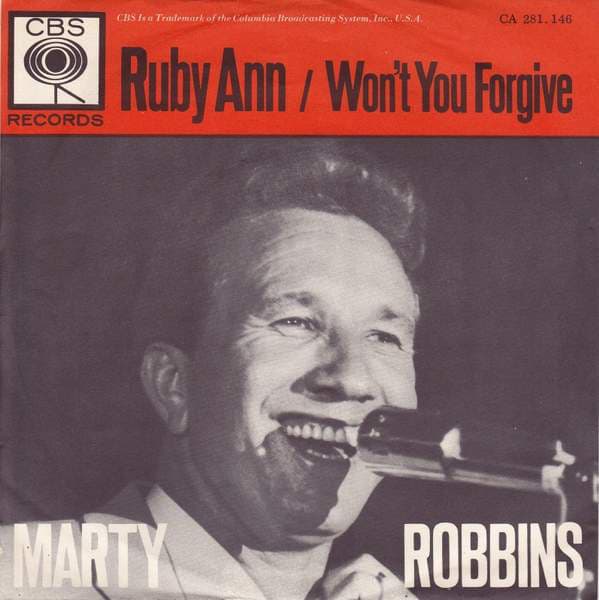
A quiet moment of winter tenderness captured in a single, longing breath of melody
In Christmas Kisses, recorded by Marty Robbins for his 1967 holiday album Christmas with Marty Robbins, the listener encounters one of the gentlest seasonal reflections in the artist’s catalog. While the song did not pursue chart placement upon release, its strength resides in the subtler realm of emotional resonance. It stands within a body of work that showcased Robbins’ facility for shaping intimate stories through understated vocal phrasing and a warm, unhurried arrangement. The piece belongs to a period when Robbins was broadening his repertoire beyond western narratives and traditional country balladry, embracing material that allowed his voice to inhabit softer emotional spaces with remarkable clarity.
The heart of Christmas Kisses lies in its atmosphere. Robbins constructs a vignette that feels less like a performance and more like a memory retrieved from a quiet fireside evening. The lyrical palette is simple by design, built around themes of affection, seasonal longing, and the kind of gentle hopefulness that defines the best Christmas music. Instead of relying on grand imagery, the song turns inward, crafting its sense of intimacy through small details and carefully placed emotional cues. Robbins’ delivery carries a tenderness that suggests a personal reflection, even though the songwriting remains universal enough to belong to anyone revisiting old holiday joys or confronting the ache of absence during winter nights.
Musically, the arrangement supports this emotional clarity. The instrumentation is clean, traditional, and unobtrusive. Soft acoustic lines and restrained choral textures create a sense of space that allows Robbins to carry the expressive weight of the track. Nothing competes with the vocal line, which is precisely the point. The simplicity heightens the song’s emotional focus and provides an elegant contrast to the more exuberant holiday recordings common in the same era. Robbins relies on mood rather than ornamentation, building a soundscape that glows with calm sincerity.
Within the broader context of Robbins’ holiday catalog, Christmas Kisses endures because it avoids the sentimental excess often associated with seasonal music. Instead, it offers a more contemplative portrait of affection, one shaped by the passage of time and the persistence of memory. The song’s legacy rests in its restraint. Robbins delivers a performance that trusts the listener to fill the quiet spaces with personal meaning. It is a reminder that some of the most powerful holiday songs are not the ones that celebrate loudly but the ones that illuminate the quiet corners of love, nostalgia, and winter reflection.