
A heart emptied of sorrow is still a heart that remembers love
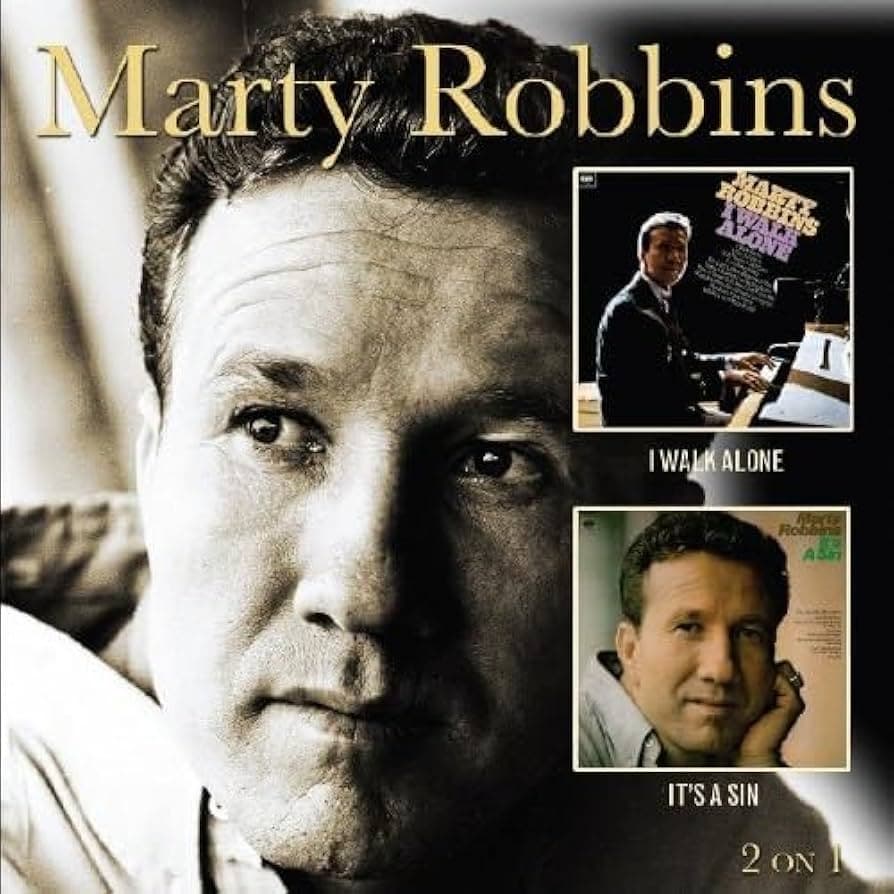
Fresh Out Of Tears by Marty Robbins is a quiet confession of emotional exhaustion and lingering devotion nestled in one of the most understated corners of the singer’s late-1960s catalog. Released in 1969 as part of the It’s a Sin album on Columbia Records, the recording appears amid a set of songs that balance deep country sentiment with Robbins’ elegant melodic sensibilities. It’s a Sin itself achieved notable success on the Billboard country album charts in the summer of 1969, peaking at number six and remaining there for an extended run throughout the year. The album yielded two Top 10 singles, “It’s a Sin” and “I Can’t Say Goodbye,” both of which exemplified Robbins’ ability to embody sorrow with rich voice and crystalline phrasing. Fresh Out Of Tears was not issued as a single, and thus did not chart on its own in the way those hits did, but its placement within this acclaimed album situates it within a moment of creative strength and emotional nuance in Robbins’ career.
In the simplest terms the song articulates a profound emotional state: the moment when grief has been so persistently poured out that there are no tears left to shed. Robbins opens with the repeated line “I can’t cry anymore,” a plain-spoken acknowledgment of exhaustion that transforms what might have been mere resignation into something far deeper and more relatable. There is no bombast in the music or in his delivery; instead the arrangement and vocal tone together evoke the stillness after a long storm of feeling, that inert space where the heart is laid bare and only memory remains. Robbie’s baritone, weathered yet warm, inhabits the narrator’s landscape with a kind of lived truth, giving texture and weight to each phrase.
Lyrically the song operates on the classic country theme of loss, but it does so with restraint rather than dramatic flourishes. The narrator has “poured out my heart and soul,” and with the beloved gone “it appears I’ll be faced with lonely years.” This repetition of inevitability, the sense that time itself becomes an unending companion to solitude, is conveyed without melodrama. The refrain that his eyes are dry, yet his sorrow remains, captures that ineffable distinction between physical tears and emotional pain. While many heartbreak songs focus on the moment of rupture or the acute sting of rejection, Robbins’ narrative reaches the plateau beyond those moments, into a terrain where sorrow has settled into the bones and no amount of weeping can ease it further.
Musically the track fits comfortably within the traditions of late-1960s Nashville production: understated instrumentation supports Robbins’ voice rather than competing with it. Piano lines and subtle steel guitar figures frame the song in a soundscape that is both classic and intimate, allowing the narrative’s emotional core to resonate. In the broader context of Robbins’ work, Fresh Out Of Tears exemplifies his gift for portraying the nuanced interior life of the brokenhearted. Unlike many of his more commercially prominent singles, it does not court the spotlight; instead it invites the listener into a quieter dialogue about loss, memory, and the complex relationship between emotional expression and emotional depletion.
The cultural legacy of the song lies in its ability to articulate an aspect of heartbreak that is less often acknowledged: the moment when the tears have truly run dry and what remains is an echo of all that was lost. In this way Fresh Out Of Tears continues to speak to listeners who have known the slow burn of long sorrow, a testament to Robbins’ enduring capacity to translate the deepest human experiences into song.