
A SON’S HOMAGE TO AN UNFORGETTABLE COWBOY HERO
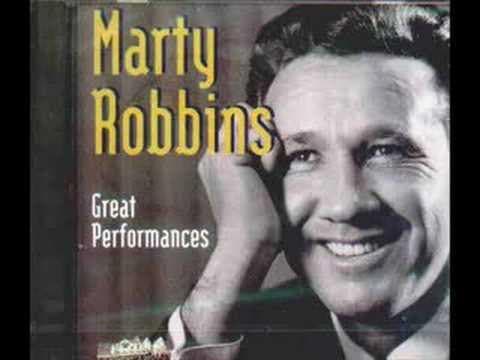
In “Gene Autry, My Hero”, legendary singer and songwriter Marty Robbins channels the awe and nostalgia of a dispossessed childhood into a heartfelt tribute to his own musical and moral compass — the iconic cowboy actor‑singer Gene Autry. Though this track is not among Robbins’ mainstream chart‑toppers, it appears as part of his later output and stands as a deeply personal homage that reveals the roots of Robbins’s lifelong devotion to the mythic West.
Long before he became a chart‑dominating star, Robbins grew up in the arid deserts of Arizona, witnessing hardship and longing for escape through the films of the singing cowboys. His childhood was marked by poverty and hard labor, yet it was on Saturday afternoons at the town’s picture show where he found solace. The silver screen offered an alternate life of galloping horses, dusty trails, and white‑hat heroes — none more vivid or magnetic than Gene Autry.
“Gene Autry, My Hero” is Robbins’s elegy to those formative visions. The lyrics memorialize a boy walking miles just to sit front‑row in a dusty theater, eyes wide at each scene of Autry riding across the big screen. Robbins writes of dreaming beneath starlight at night, longing to live those adventures: round up outlaws, tame the prairie, ride toward sunsets.
When Robbins later turned to music, the influence of that dream becomes clear. His 1959 album Gunfighter Ballads and Trail Songs — which cemented his reputation as one of the great Western balladeers — owes much to the romantic cowboy lore that artists like Autry popularized.
Yet Robbins never merely imitated. In this tribute song, he uses Autry’s larger‑than‑life image not to mimic but to honor. The “man in the white cowboy hat” becomes a symbol — of innocence, of childhood yearning, and of dreams that survive hardship. The refrain “time takes away many things but it can’t take a dream” feels like Robbins speaking for every lost boy who looked to the West looking for hope.
Musically, the song moves gently, like a memory returning at dusk: understated instrumentation that foregrounds Robbins’ rich baritone, with a subtle sway that recalls rocking on a porch as the desert wind whispers in his ears. The melody carries wistfulness rather than swagger, reverence over bravado.
In the broader context of Robbins’s career, “Gene Autry, My Hero” occupies a special place. While he amassed seventeen No.1 country hits and hundreds of recordings over decades, this song is not about commercial success. It is a quiet confession of origin, a humble acknowledgement that behind the cowboy persona stood a boy entranced by the mythic cowboy singer.
More than a fan tribute, the song serves as a keystone in understanding Robbins’s identity as an artist. It reveals that his devotion to storytelling, to Western ballads, and to romanticizing the American frontier — the very soul of his music — was never contrived. It was born in those Saturday‑afternoon shadows, in the glow of a flickering screen, looking up at a man with a white hat and a guitar.
In listening to “Gene Autry, My Hero”, one hears not just admiration for a legend but gratitude for an inspiration. The song stands, across the decades, as Robbins’s homage, as a reminder that behind every mythic cowboy lies a dreamer who dared to believe in the ride.