
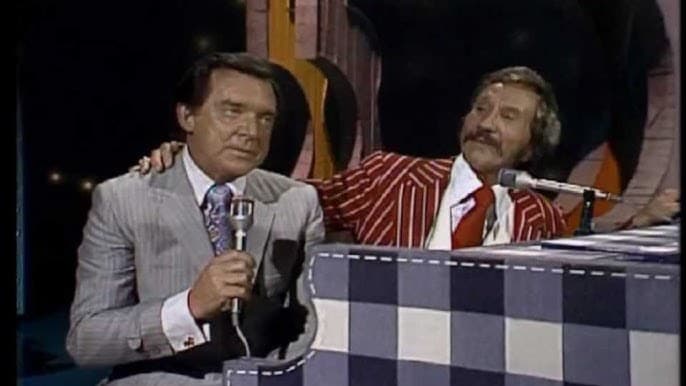
Two elegant voices carrying the weight of tradition, where heartbreak is softened by grace and every note feels lived rather than performed
When Marty Robbins and Ray Price sang together live, the collaboration represented a meeting between two of country music’s most refined and emotionally disciplined stylists. Both men had already shaped the genre in profoundly different ways. Marty Robbins, through albums such as Gunfighter Ballads and Trail Songs, became one of country music’s great narrative craftsmen, blending western imagery with emotional storytelling. Ray Price, meanwhile, transformed the sound of modern country through the smooth sophistication of the “Ray Price shuffle” and landmark recordings tied to albums like Night Life. Together on stage, they created something that felt less like a guest appearance and more like a conversation between masters who understood the emotional architecture of country music instinctively.
What makes these live performances especially compelling is the atmosphere of mutual respect surrounding them. Neither artist competes for dominance. There is no sense of ego interrupting the music. Instead, Robbins and Price approach the songs with remarkable patience, allowing each other space to shape the emotional flow naturally. This restraint becomes one of the performance’s defining qualities.
Vocally, the contrast between the two men is subtle but essential. Marty Robbins possessed a clarity that made every lyric feel carefully illuminated. His phrasing carried calm precision, whether delivering tender ballads or expansive western narratives. Ray Price, by contrast, brought a richer, more weathered emotional texture. His voice moved with the elegance of classic honky-tonk but carried the emotional sophistication of a pop crooner. Together, they balance beautifully. Robbins provides stillness and narrative structure, while Price introduces warmth and emotional depth that seems to drift effortlessly through the melodies.
Musically, the live setting reveals the extraordinary craftsmanship behind classic country performance traditions. The arrangements remain polished without becoming sterile. Steel guitar lines, restrained rhythm sections, and flowing instrumental transitions create an atmosphere where emotion emerges gradually rather than through dramatic force. This was country music before excess production overtook intimacy, where musicians trusted melody and phrasing to carry emotional truth.
The significance of Marty Robbins and Ray Price performing together also extends beyond individual songs. Both artists represented an era when country music balanced accessibility with sophistication. Their recordings reached broad audiences without sacrificing musical integrity or emotional subtlety. In live collaboration, those qualities become even more visible.
There is also something deeply human about the pacing of these performances. Modern live entertainment often prioritizes speed and spectacle, but Robbins and Price understood the power of allowing songs to breathe. Silence between lines matters. Instrumental passages matter. Emotional restraint matters. The audience is invited not merely to consume the performance, but to settle into it.
Lyrically, much of the material associated with these performances revolves around themes central to classic country music itself. Love, regret, memory, loneliness, endurance. Yet in the hands of Robbins and Price, these themes avoid melodrama. They are delivered with the understanding of men who recognize heartbreak as part of life rather than theatrical catastrophe.
What lingers after the final harmonies fade is not simply admiration for technical excellence, but gratitude for the emotional maturity embedded within the music. These are performances rooted in patience, dignity, and lived experience.
And standing together beneath stage lights, exchanging verses with effortless grace, Marty Robbins and Ray Price remind us of something essential about classic country music at its finest. That true emotional power rarely comes from shouting the loudest. It comes from knowing exactly how much feeling a single honest note can hold.