
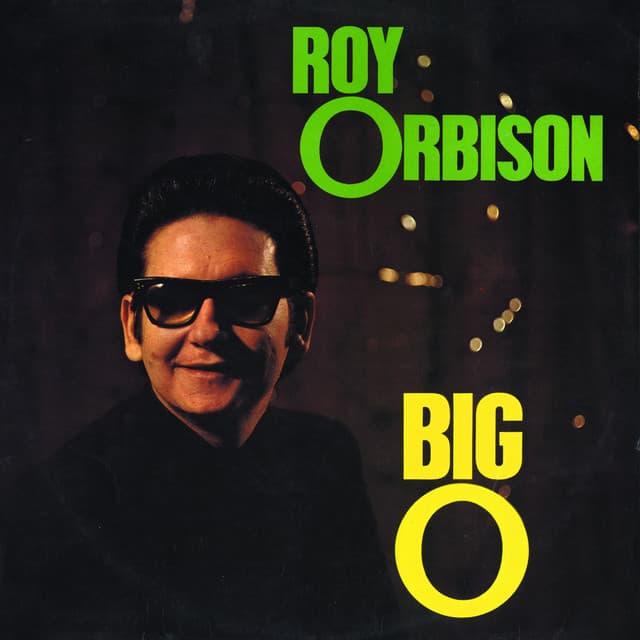
A quiet vow of devotion that lingers long after the final note fades
In 1969, when Roy Orbison recorded his interpretation of Only You, the track appeared on his album The Big O and entered the world without the fanfare of a major charting single. Yet its placement within that late-1960s chapter of his career allowed it to become something far more enduring than a fleeting hit. It stood as a reminder that Orbison, even outside the spotlight of chart success, could take a familiar song and reshape it into a private chamber of feeling, a space where longing and devotion were rendered with the fragile intensity only he could summon.
Much of the power of Only You comes from the way Orbison approached interpretation. By the late sixties he had lived through triumph and tragedy, and his voice carried the weight of someone who understood the quiet ache behind every vow. Rather than treat the song as a nostalgic reprise of its earlier doo-wop legacy, he elevated it into a personal meditation on commitment. The melody remains simple, almost deceptively so, but he builds upon that simplicity with the unmistakable lift of his upper register. The effect is that the listener is pulled inward, drawn toward the emotional center of a man confessing something he may not have the strength to say aloud in any other form.
The song’s narrative is, on its face, a declaration of singular love. Yet Orbison performs it as if the declaration costs something. His voice wavers with sincerity, not uncertainty, and he allows silence to function as its own instrument. The pauses between lines feel like breaths taken before a truth too large to hold. When he reaches the refrain, it is not a grand flourish but a yielding. This is where Orbison’s genius lies. He does not dramatize the lyric. He humanizes it. He gives it the trembling honesty of someone making a promise with their whole being.
The instrumentation surrounding him provides a subtle frame. The arrangement leans into warm strings and gentle guitar phrases, creating a soft halo around his voice. Nothing distracts from the emotion he is carrying. The production of the 2015 remaster only heightens this quality, allowing contemporary listeners to experience the clarity and depth of a performance that had always deserved to be heard with such intimacy.
Across decades, Only You in Orbison’s hands has become less a cover and more a quiet testament. It represents the side of him that thrived not on operatic grandeur but on tender confession, the side that believed the smallest words held the greatest weight when delivered with absolute truth.