
The Big O’s Quiet Yearning: A Time-Capsule of Anticipation and Simple Love
There are certain songs, aren’t there, that feel less like a recording and more like a captured moment in time—a snapshot of a universal feeling, rendered in perfect, wistful sound. “Sunset” by the incomparable Roy Orbison is one such treasure. Released back in February 1963, it graced the B-side of the magnificent “In Dreams” single, yet it shines with a quiet brilliance all its own. This tender ballad was included on Orbison’s fourth studio album, also titled In Dreams, which hit shelves in July 1963 on Monument Records, eventually climbing to a respectable No. 35 on the Billboard Top LPs chart and No. 6 on the UK Albums Chart. While its famous A-side dominated the charts—reaching No. 7 in the US and No. 6 in the UK—“Sunset” didn’t chart as a standalone single, instead serving as the perfect, understated counterpoint to its epic companion. For those of us who bought the 45, flipping that vinyl was like turning the page to a more intimate chapter of The Big O’s story.
A Story of Simple Pleasures and Deep Longing
The story behind “Sunset” is rooted in the simple, yet profound, poetry of everyday life that Orbison and his frequent writing partner, Joe Melson, mastered so completely. While Orbison is often remembered for his dark, operatic tales of grand despair, this track offers a view of a gentler, more common longing. The lyrics paint a picture of a “working boy,” a humble figure counting the minutes until his long, arduous day is over. He’s not waiting for fame or fortune, but for the most precious commodity: the moment he can finally see his beloved. “He can not wait ’til sunset to be with his love,” as one contemporary account put it. It’s a beautifully relatable sentiment, transporting us back to a time when a simple date, a quiet moment together, felt like the culmination of a life’s work.
This is the essence of “Sunset”: the deep, palpable meaning is one of pure, patient anticipation. It’s the feeling we all remember, the quiet electricity that runs through a day when you know a truly good thing is waiting for you at the close. The setting sun isn’t just the end of the day; it’s the gateway to happiness, a symbol of release and reunion. Listen to Orbison’s vocal delivery—he doesn’t use the stratospheric falsetto he’s famous for here. Instead, he keeps to a lower, rich baritone, imbued with a soulful warmth and a palpable, controlled excitement. That restrained emotion makes the eventual payoff—the end of the workday—feel all the more triumphant.
The Enduring Magic of Monument Records
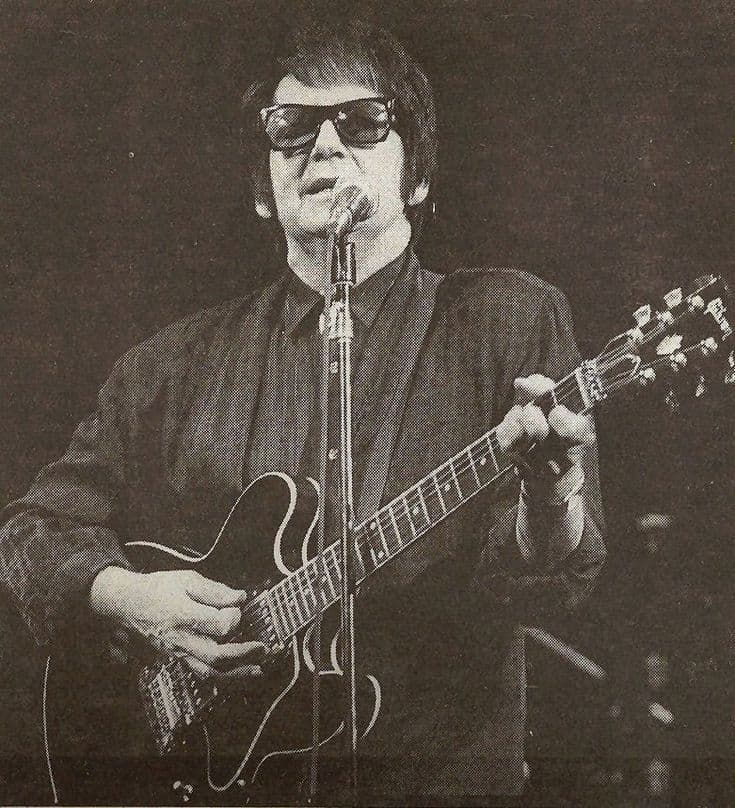
Listening to this track today, it’s impossible not to feel a wave of nostalgia for the golden age of Roy Orbison’s time with Monument Records. These were the years, from 1960 to 1964, when he crafted his unique sound that defied rock and roll norms. While other male performers projected a kind of boastful strength, Orbison, often cloaked in black and hidden behind his dark glasses, delivered songs steeped in an almost fragile vulnerability. This distinct style, characterized by complex, almost classical song structures and that devastating, three-octave voice, cemented his legacy. “Sunset” is a perfect example of his mastery of the quiet heartbreak and the profound hope that often sits side-by-side in a simple life. It reminds us that even amid the grand orchestral drama of his biggest hits, The Big O could still capture the heart of a simple boy eagerly waiting for his love in the fading light. It’s a memory you can hear, and it’s one that makes us grateful for the simplicity of those distant, beautifully sung days.