
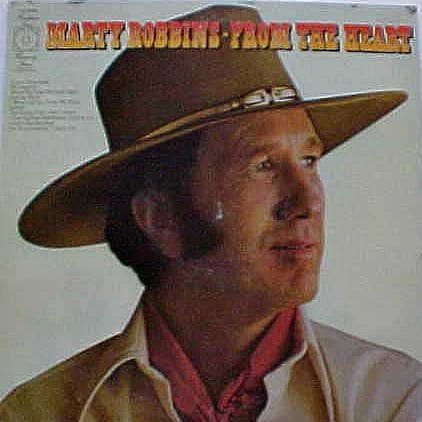
In the quiet ache of uncertainty The Things That I Don’t Know reveals the raw heartbreak of love’s unanswered questions
The Things That I Don’t Know is a pensive, plaintive song recorded by Marty Robbins and first issued on his 1964 Columbia Records album R.F.D., an album that itself rose as high as number four on Billboard’s country album chart and lingered on the chart for more than half a year. While the song was not released as a major single with its own chart run, it remains one of the subtle emotional high points in Robbins’ rich catalog, a piece beloved among serious listeners for its understated emotional power and plaintive narrative voice.
Most of Robbins’ catalog is anchored in sweeping storytelling, from wide-open western epics like El Paso to tender odes to unguarded emotion. The Things That I Don’t Know trades the cowboy mythos for a deeply intimate terrain: the landscape of love’s silent anxieties and the dread that lives between the lines of what is seen and unseen, known and unknown. The lyrics unfold with a melancholic simplicity that belies the emotional complexity beneath. Robbins’ delivery feels like a confession from a man alone with his thoughts, a yearning voice set against sparse instrumentation that draws listeners into a space of reflection and vulnerability.
At its heart this is a song about the terror of imagination. The narrator clings to the old adage that ignorance spares pain, yet confesses he cannot agree with it. His torment does not stem from what he sees his beloved do; it arises from what he does not see and cannot know. That paradox of love’s fear of uncertainty gives the song its haunting core. Robbins captures the agony of unanswered questions about a partner’s fidelity, the pain of suspicions unverified yet deeply felt, and the silent wounds inflicted by what is merely imagined. This emotional territory is universal: lovers everywhere have known the hollow echo of doubt that no explanation can fill.
Musically the song supports this introspection with a tender arrangement rooted in traditional country instrumentation. The steel guitar weaves through the vocal like a sigh, emphasizing the emotional tension of each phrase. Rather than pushing for dramatic crescendos, the performance rewards attentive listening: its beauty emerges not in spectacle but in the quiet spaces between the words. Robbins’ vocal is measured and honest, a storyteller unafraid to expose fragility rather than machismo. This delicate balance between strength and vulnerability is part of what makes the track resonate decades after its release.
Over time The Things That I Don’t Know has endured not because it redefined a genre, but because it distilled a core truth about the human condition: we are most troubled not by what we witness, but by what we cannot see or understand. In the broader tapestry of Robbins’ work, it stands as a testament to his ability to articulate the subtleties of the heart with poetic clarity and emotional honesty that continue to move listeners who return again and again to his deep and timeless catalog.