
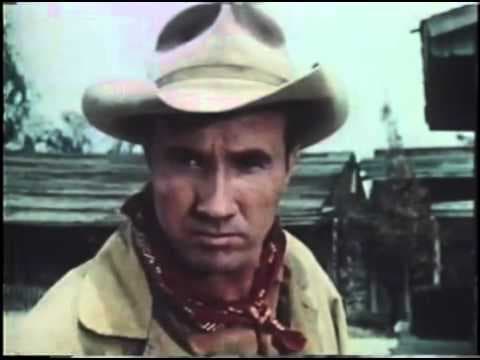
A Cowboy’s Farewell Sung in the Shadow of Dust, Distance, and Regret
When Marty Robbins released “San Angelo” in 1960 as part of the album Ballads and Songs of the Trains, he was already cementing himself as one of country music’s great storytellers. Although the song did not achieve the towering chart dominance associated with later Robbins classics like “El Paso,” its quiet endurance among listeners reveals something perhaps even more lasting: a portrait of loneliness so human and restrained that it feels less like a performance and more like an old memory being carried across the desert wind. By the time Robbins revisited western imagery again during the era surrounding Ballad of a Gunfighter in 1964, songs like “San Angelo” had already helped define the emotional architecture of his cowboy mythology.
What makes “San Angelo” remarkable is not spectacle. There are no dramatic gunfights, no sweeping orchestral crescendos designed to force emotion upon the listener. Instead, Robbins leans into stillness. The song unfolds like a rider moving slowly through fading daylight, carrying the emotional exhaustion of a man who understands that some places are impossible to leave behind, even after miles of open country have passed beneath the horse’s feet.
The town itself becomes more than geography. In Robbins’ hands, San Angelo is memory, temptation, heartbreak, and destiny all at once. This was one of his greatest gifts as a writer and interpreter of western songs: he understood that frontier ballads were never truly about landscapes. They were about emotional exile. The desert merely reflected what the characters already carried inside themselves.
Vocally, Marty Robbins approaches the song with extraordinary restraint. He never oversings. He allows silence and phrasing to do the heavy lifting. That soft, measured delivery became one of the defining characteristics of his western recordings. While many country singers of the era projected toughness, Robbins often sounded vulnerable, almost haunted. In “San Angelo,” every line feels carefully weighed, as though the narrator is deciding in real time whether certain memories are too painful to speak aloud.
The arrangement reinforces that emotional isolation. Gentle acoustic textures, sparse instrumentation, and the unhurried rhythm create a sense of endless horizon. There is movement in the song, but very little escape. The listener feels suspended between departure and longing, which is precisely where many of Robbins’ finest characters lived. His cowboys were rarely fearless heroes. More often, they were men trapped between freedom and emotional consequence.
By the early 1960s, country and western music was beginning to evolve rapidly, yet Robbins continued preserving a cinematic vision of the American West that felt timeless rather than nostalgic. Songs like “San Angelo” carried the spirit of old trail songs into modern country music without reducing them to novelty. He treated western storytelling with dignity, patience, and emotional intelligence.
That is why the song still lingers decades later. Not because it shouted the loudest, but because it understood something enduring about loneliness. “San Angelo” is the sound of a man riding away while secretly knowing part of him never left at all.