
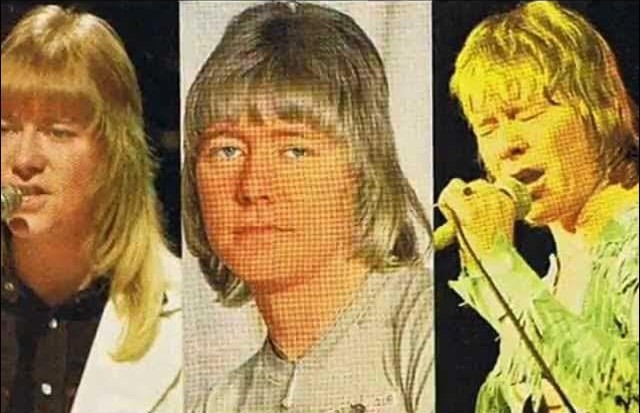
A Farewell Cast in the Glow of the Footlights, Where Memory Sings Louder Than Applause
Unlike the chart-dominating hits that made Brian Connolly a household name during his years with Sweet, “The Final Show” arrived quietly, far from the glare of commercial success. Released posthumously on the 2002 collection Take Away the Music, the song was never a chart contender, nor was it attached to a major studio campaign. Instead, it has endured as something far more intimate: a haunting epilogue to the life and career of one of glam rock’s most distinctive voices. The track emerged after Connolly’s death in 1997 and became part of a body of archival recordings that offered listeners one last glimpse into the reflective, deeply human side of a singer often remembered for the flamboyant excess of the 1970s.
What makes “The Final Show” so compelling is the way it feels less like a conventional song and more like a curtain call. Even without an officially documented backstory detailing its composition, the title alone carries enormous emotional weight when viewed through the lens of Connolly’s life. By the mid-1990s, his health had deteriorated significantly after years of personal struggles, yet he continued performing whenever possible, determined to maintain a connection with audiences who had never forgotten him. His final concert took place in December 1996, only months before his passing.
Listening today, it is difficult not to hear “The Final Show” as a meditation on endings. There is a sense of acceptance running through the recording—a recognition that every performer eventually reaches the moment when the spotlight fades and the stage falls silent. For an artist whose career had once been defined by explosive energy, glittering costumes, and arena-sized choruses, the song’s emotional resonance lies in its restraint. It invites listeners to look beyond the mythology of rock stardom and toward the vulnerable human being standing behind the microphone.
In many ways, the song mirrors the broader story of Brian Connolly himself. During the height of Sweet’s fame, he embodied the exuberance of glam rock, helping to create enduring classics that still echo across generations. Yet the later chapters of his life revealed another narrative—one marked by resilience, regret, perseverance, and an unwavering desire to keep singing despite immense challenges.
That is why “The Final Show” remains so affecting. It is not celebrated because it topped charts or defined an era. It is remembered because it feels profoundly personal. The song stands as a reminder that behind every legendary career lies a final bow, and behind every applause-filled triumph lies a quieter story of endurance. In that sense, Brian Connolly leaves listeners with something more lasting than a hit record: a poignant reflection on mortality, legacy, and the bittersweet beauty of knowing that every show, no matter how glorious, must one day come to an end.