
Christmas should belong to every child’s eyes and heart
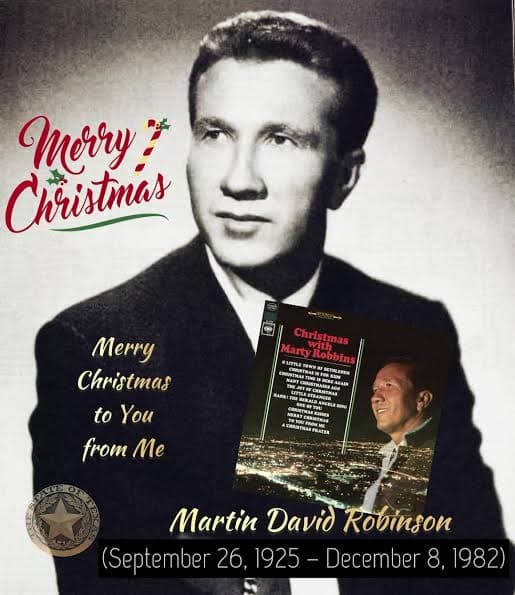
From the 1967 album Christmas with Marty Robbins, Christmas Is for Kids finds its home as a gentle yet stirring plea for adult compassion and the preservation of child‑like wonder. Performed by Marty Robbins, the song stands as one of the original tracks on his first Christmas‑themed record.
The song did not emerge as a chart‑topping single; rather it remained a quiet thread in the larger tapestry of the album. Even so, its message and mood have endured far beyond any billboard ranking. In many ways the modest chart history lets the track speak through subtlety rather than sales.
In the broader context of Robbins’ career, “Christmas Is for Kids” reflects a thoughtful detour into Christmas lore. The album blends traditional carols with new material crafted for the season. On one hand there are hymns like “O Little Town of Bethlehem” and “Hark! The Herald Angels Sing,” interpreted with reverence and Robbins’ smooth baritone. On the other hand, original songs such as “Many Christmases Ago” and “Christmas Is for Kids” present personal and social reflections rather than mere festive cheer.
Lyrically, “Christmas Is for Kids” carries a gentle but firm moral insistence. Robbins — via the songwriter (credited to Jeanne Pruett / Jack Pruett depending on source) — asks listeners not merely to enjoy Christmas, but to remember children who may have been overlooked or left behind by the holiday’s glow. Lines like “May we all look around for a child who’s been let down / And love him as we would be loved” transform Christmas from a seasonal festivity into a call for empathy and kindness.
Musically the track eschews flash — there is no grand orchestration, no bombastic production. Instead Robbins delivers with warmth and sincerity. His voice carries the soft ache of longing and hope. That softness underscores the song’s core: a reminder that Christmas is not just for giving gifts or celebrating tradition, but for holding space in one’s heart for the vulnerable, the lonely, the children forgotten in the bustle.
In many respects “Christmas Is for Kids” stands as a moral anchor in holiday music. While countless Christmas songs lean on celebration, nostalgia, or romantic warmth, this song anchors the season in compassion and responsibility. It speaks quietly but with clarity. It insists that the meaning of Christmas lies not in tinsel or trees but in human kindness and shared care.
Over the decades, as Christmas albums have multiplied and many holiday songs drift into kitsch or repetition, “Christmas Is for Kids” remains a quietly respectable echo of what holiday music once could — and should — aspire to be. Its power lies not in commercial triumph but in human truth.