
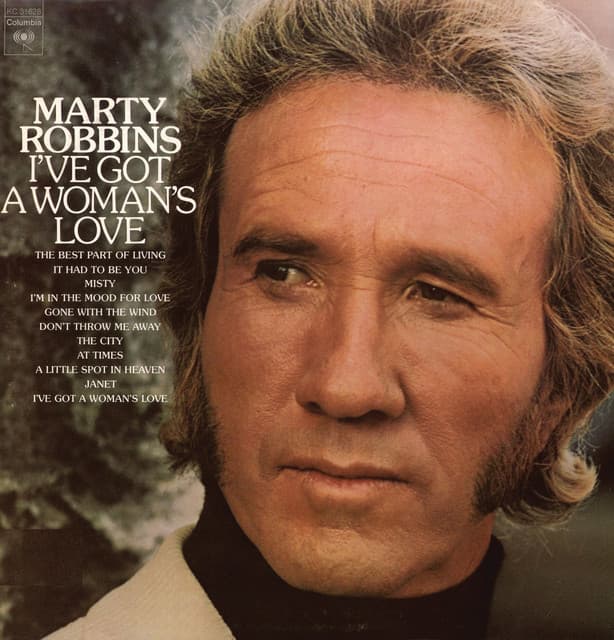
A silent plea for love not to be discarded — the quiet ache of vulnerability
When Don’t Throw Me Away by Marty Robbins first appeared in 1962 on the album Marty After Midnight, it did not blaze across the country charts like many of his other hits: rather, it settled softly into the record — a subtle gem among crooned standards and late-night jazz-pop. Yet that modest release belies the emotional potency Robbins invested in the song: a heartfelt, aching sense of longing that resonates as powerfully today as it must have in the dim-lit clubs of early 1960s America.
From the outset, it’s striking that Robbins — usually associated with western ballads, salty roads, and gunfighter bravado — turned inward, producing a song written by himself and drenched in personal vulnerability. As one contemporary reviewer puts it, this track stands out on Marty After Midnight not because of flashy production but because “you’ve never heard such beautiful begging.”
At its core, “Don’t Throw Me Away” is a humble — almost desperate — plea for emotional survival. The narrator begs, “Don’t be foolish / Don’t, don’t throw me away / Keep me around just for keeps, dear,” offering not grand promises, but a simple request: hold on, at least until love grows more certain, until life’s unpredictability draws its unpredictable breath.
That minimalistic honesty — the admission of pain behind a forced smile, the fear that once love fades, you might simply be cast aside — is what lends the song its haunting power. Robbins doesn’t cloak this fear in bravado or macho pride; instead, he bares emotional rawness. He sings of learning “how to smile and pretend when my heart wants me to cry,” offering a poignantly human confession.
Musically, the arrangement underscores that introspective longing. Within the context of Marty After Midnight — an album drenched in lounge-style jazz and softened country-pop — this song takes on the quality of a lonely midnight serenade. Robbins’ voice, so often traversing desert plains and gun-slinging narratives, here glides tender and vulnerable, each note offering solace to anyone who’s ever felt the ache of abandonment. As one critic writes, Robbins “croons emotionally, easily, gorgeously,” his phrasing so supple that every syllable feels like a heart laid bare.
Perhaps what gives “Don’t Throw Me Away” its lasting resonance — despite its lack of chart-topping status — is precisely that tenderness. It stands not as a showy hit but as a quiet confession, a late-night whisper meant for one heart to another. In a catalog brimming with dramatic Western epics and honky-tonk swagger, this song is his soft underbelly — the moment when the cowboy sets down his gun, tilts his hat back, and confesses his fears.
For listeners attuned to the melancholic beauty of longing, “Don’t Throw Me Away” remains a testament to the emotional breadth possible within country—and within Robbins himself. It is a fragile promise, a plea, a confession — and above all, a reminder that behind every tough exterior might hide trembling devotion yearning just for a chance.